
London
Study Mind · Medicine Summer Career Camp
Residential 15–18 yrs 5–19 days Academic Camp
4.3
from£1,799

Study Mind runs this residential camp in London, United Kingdom. The camp welcomes children aged 15–18, with academics on the programme. Typically open June to August — new dates coming soon. Sessions last 5–19 nights. Activities run in English.
Every building starts as a sketch. Study Mind's Architecture Summer Career Camp gives students aged 15 to 18 a practical introduction to life as an architect in Central London, from first concept to presenting a finished design. More than just a summer course, the camp gives students an opportunity to explore the realities of a career in architecture, develop practical design skills, gain confidence and experience university-style learning. Design workshops and hands-on career simulations introduce the core skills architects use, and students meet practising professionals through workshops and visits. Mentors from top UK universities explain what studying architecture involves, and students leave with portfolio material to draw on in university applications. Academic sessions run at Queen's College and University College London (UCL) in small cohorts of five to ten students, around 70% British and 30% international. Day students are warmly welcome! You don't need to stay overnight to take part. Day students join the full academic programme, workshops and activities from Monday to Friday and go home each evening. Weekend activities are for residential students only. Each weekly intake starts on a Monday. Residential students check in at UCL Ramsay Hall on the Sunday before their camp week begins, between 3pm and 5pm. Residential students stay in single rooms at UCL Ramsay Hall with breakfast, lunch and dinner, evening activities, and round-the-clock safeguarding and pastoral support from dedicated Study Mind guardians, plus weekend sightseeing for two- and three-week stays. Guardians accompany students between accommodation and programme venues. Every student receives a formal reference letter, a graduation ceremony and a framed certificate.
Optional — available at extra cost
Have a question for the camp?
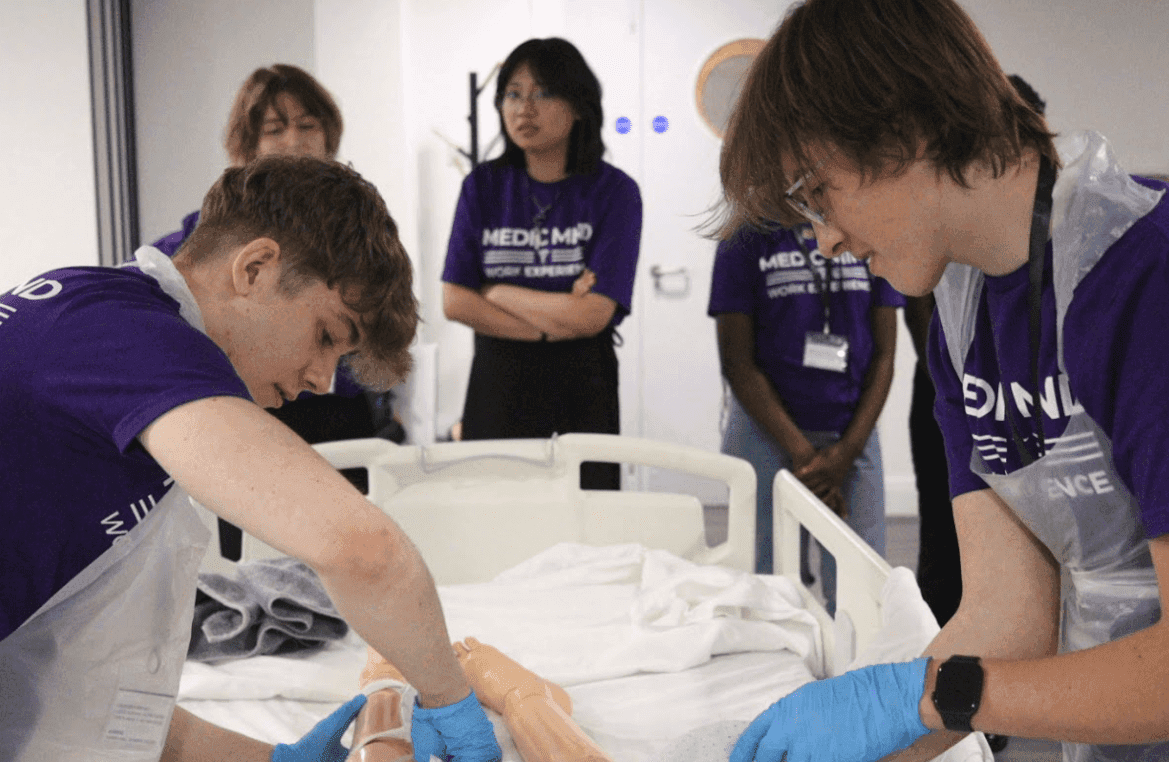
Ask a questionAcross 30 teaching hours each week, students work through the stages of architectural design, from developing an initial idea to communicating a considered proposal. Design sessions introduce concept sketching and the process of shaping a design, while practical workshops and career simulations let students try skills associated with an architect’s work. Sessions with practising professionals add industry context, and university mentors discuss architecture degrees, portfolio expectations and the UCAS application process

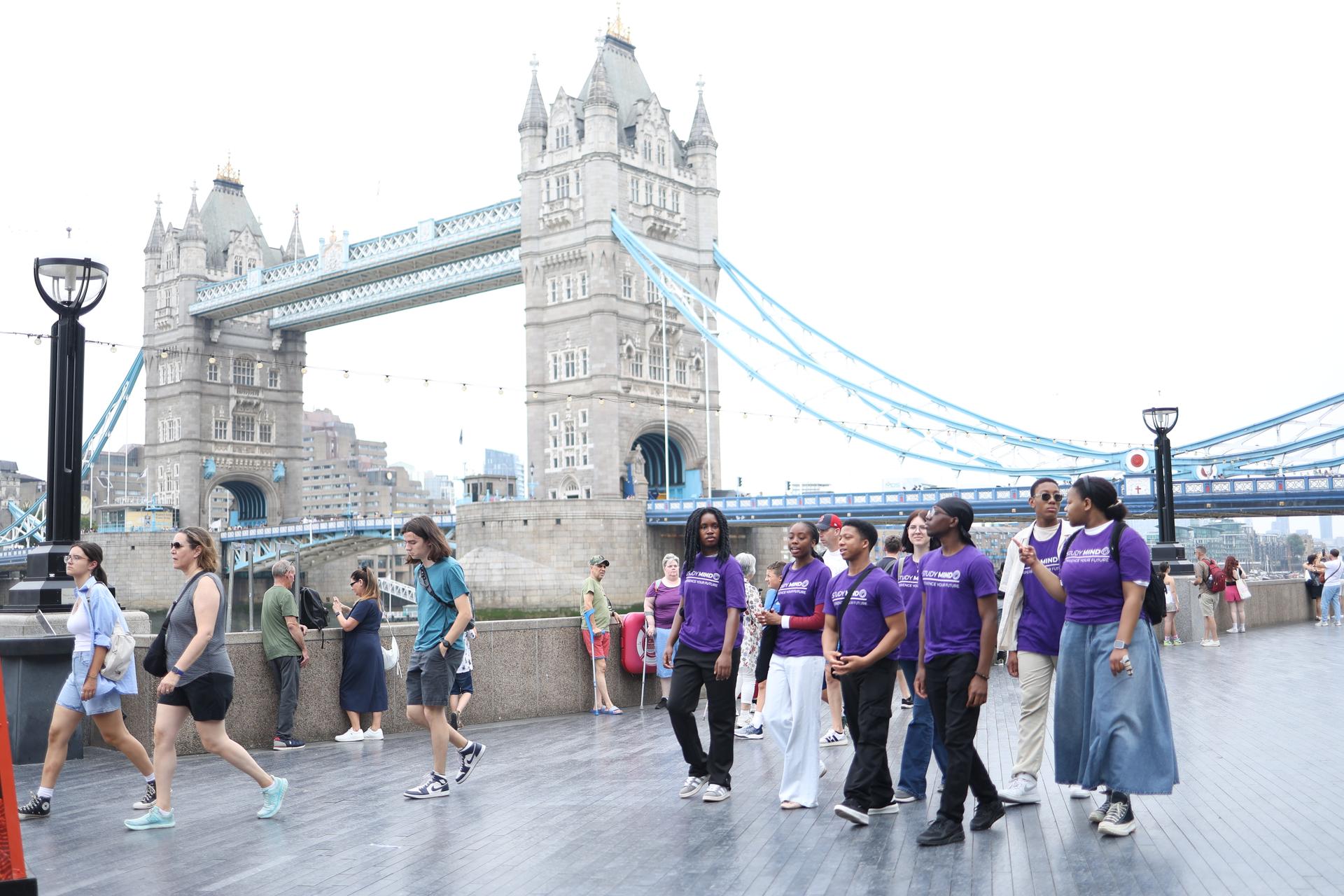
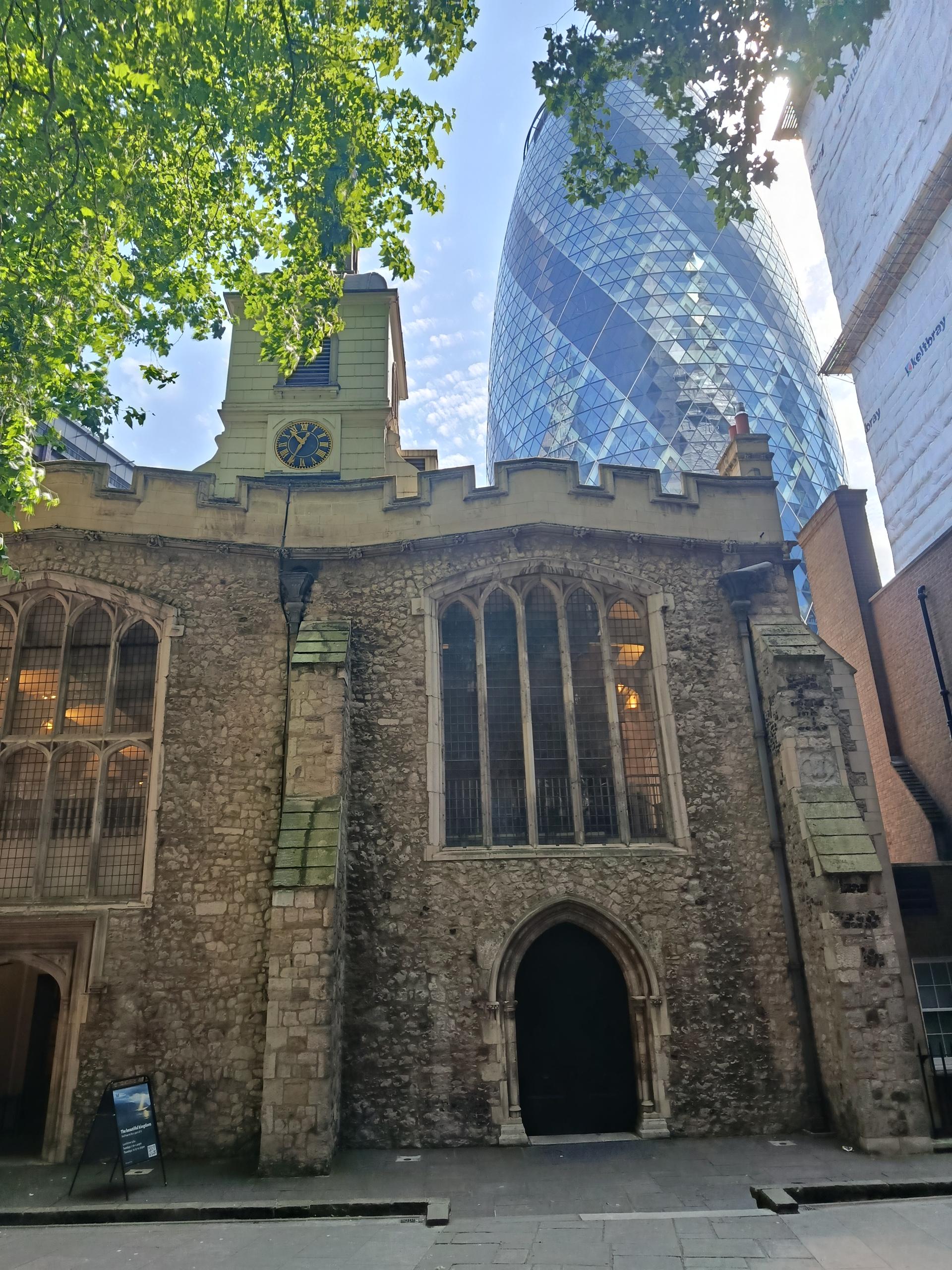
Architectural landmarks and public buildings tour
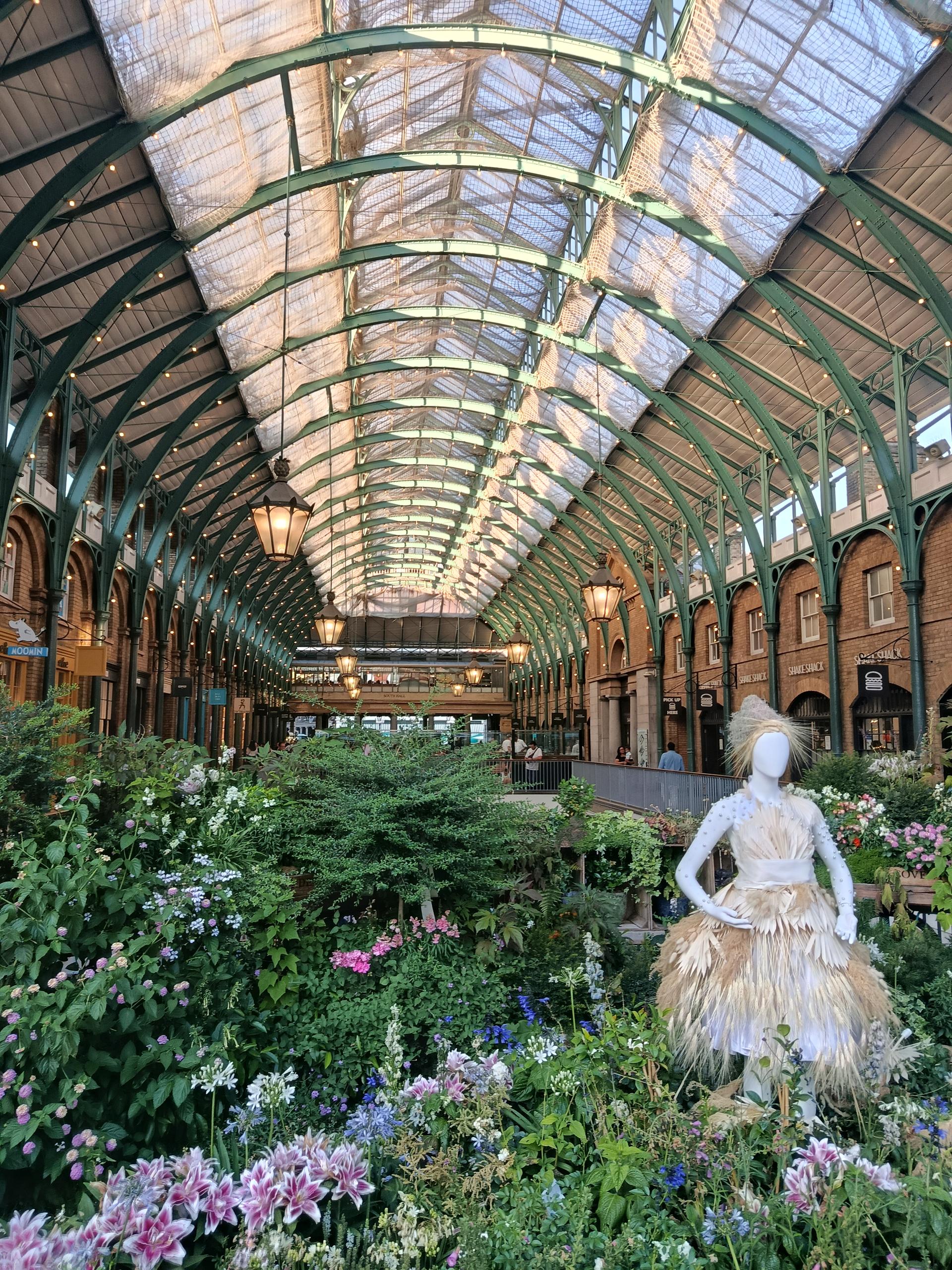
London sightseeing and evening social events
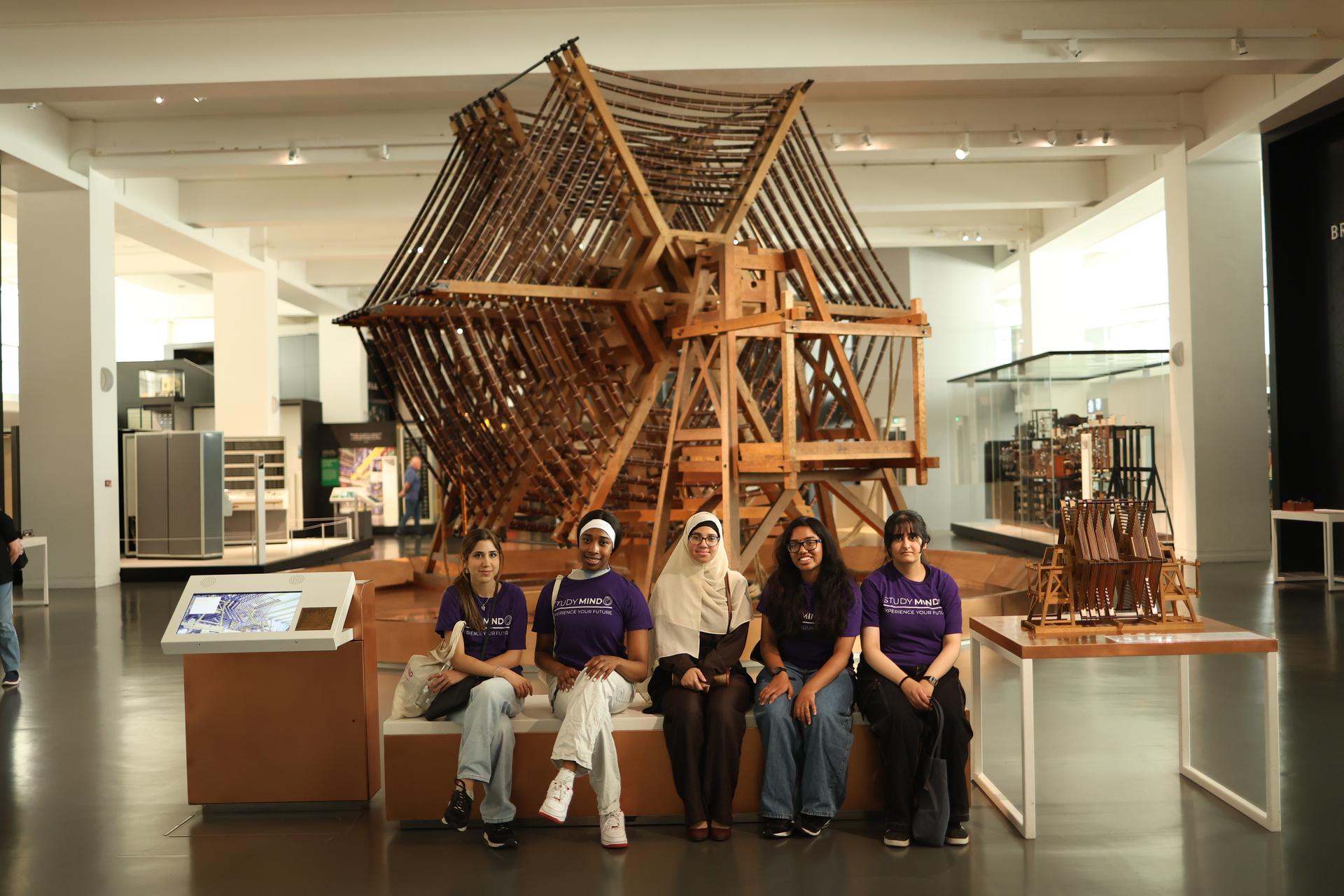
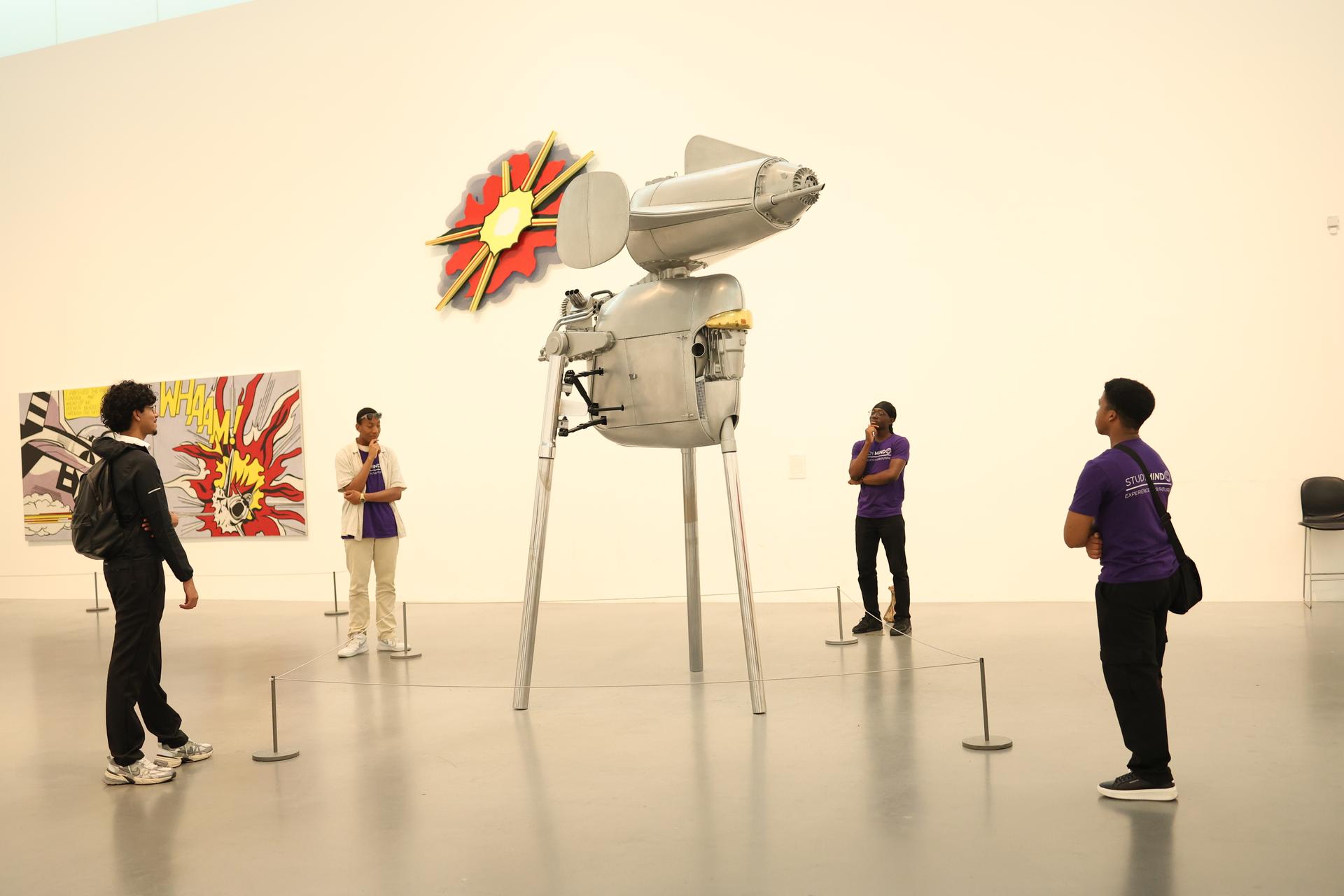
Architecture studio and firm visits
Architectural landmarks and public buildings tour
London sightseeing and evening social events
Architecture studio and firm visits
Student safety and wellbeing sit at the centre of the camp, with 24/7 supervision, established safeguarding procedures and trained staff on site throughout the programme. Students are looked after both academically and personally by fully DBS-certified guardians and mentors, and residential students are supervised in halls and held to residence rules and curfews. Full disclosure of medical conditions, allergies and support needs is required at booking so staff can plan safe provision, and a clear code of conduct keeps the environment positive and inclusive for everyone.
lunch
Provided each programme day; students do not need to bring their own.
Lunch is provided on programme days, so students only need to bring a water bottle and, if they like, a couple of nut-free snacks to see them through the afternoon. Residential students staying at UCL Ramsay Hall have their meals and amenities included as part of the accommodation package.
Where your child sleeps
Residential students stay in University College London's central halls, Ramsay Hall, a short walk from Oxford Street in the heart of London. Rooms are private, with shared social spaces where students mix with peers from around the world, and the halls are covered by 24/7 security, supervision and support. Meals and amenities are part of the stay, along with excursions, sightseeing and evening social events, giving students a genuine taste of university life while they are still at school. Accommodation is arranged with the university as a third-party provider and students are expected to follow residence rules and curfews.
Amenities
The camp runs in central London, with teaching delivered at city-centre venues and residential students housed in University College London's Ramsay Hall near Oxford Street. Being in the middle of the city means landmark buildings, urban spaces and working architecture studios are all within reach for the programme's guided visits, and students travel between venues as part of the week. Timetables, venues and site visits are indicative and may be adjusted by the organisers.
Campus facilities
20 Maple St, London W1T 5HB, UK
University College London (UCL Ramsay Hall)
Map loads with your permission — it connects to Google Maps.
Getting your child there
Airport transfer
Pickup service · Airport transfers are available as an optional additional service for students travelling into London and need to be requested when booking. Supervision of the student begins at the agreed collection time and continues until they arrive safely at the designated location; the organisers are not responsible for delays caused by airlines or border control.

Same ages, same season — in case this one is full
Where this camp lives, and what's around it
Save this camp to a wishlist to compare later, or ask the advisor to check it against your dates and budget.
Jun – Aug
2027 dates not open yet