Bridgton
Camp Kingswood
Residential 7–16 yrs 2–7 weeks Multi-activity Camp
Reserve online
4.7(35)
from$399
Science Camps of America runs this residential camp in Pahala, United States. The camp welcomes children aged 13–17. One session scheduled Jul 1 – Jul 10, 2027, lasting 9 nights. Activities run in English.
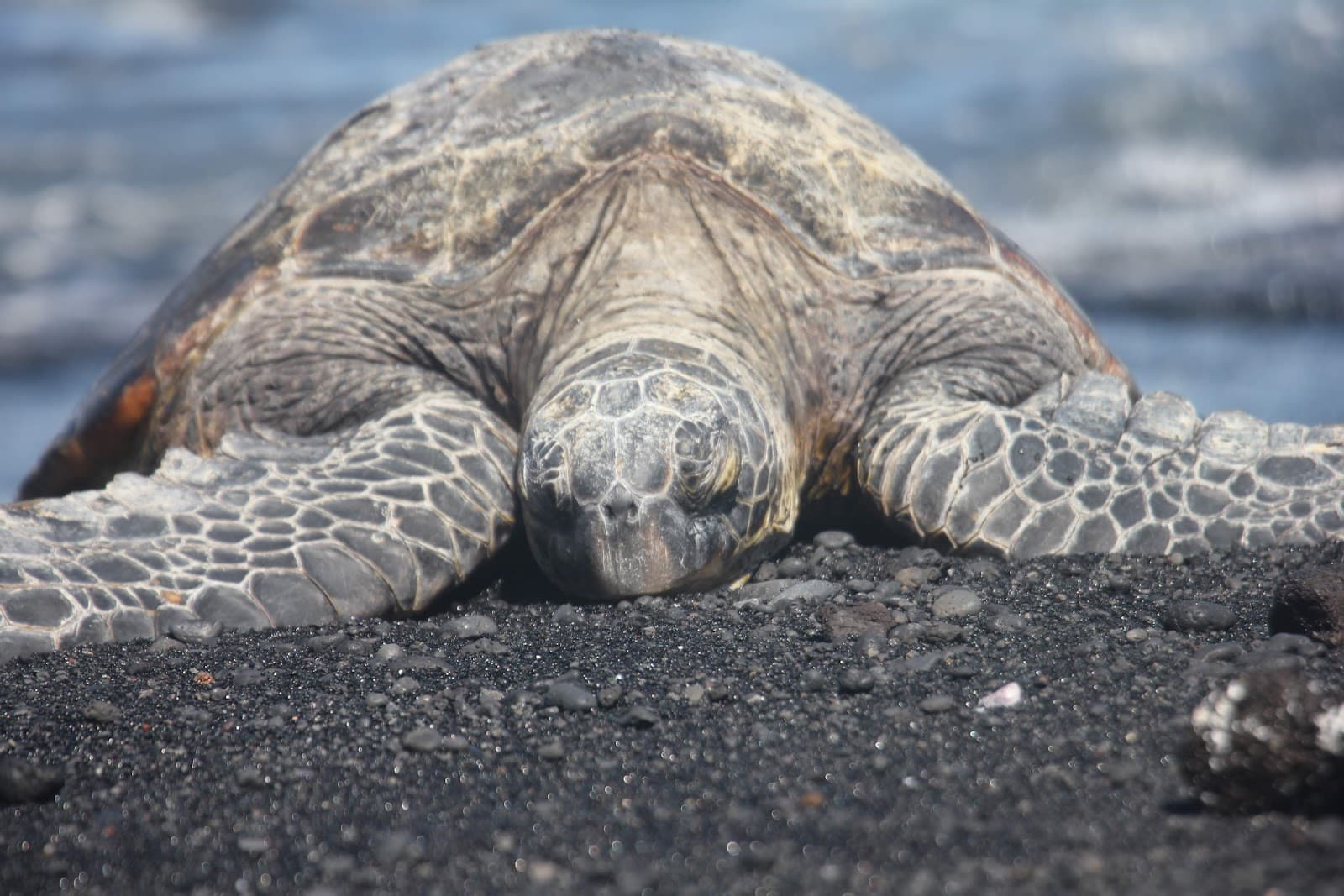
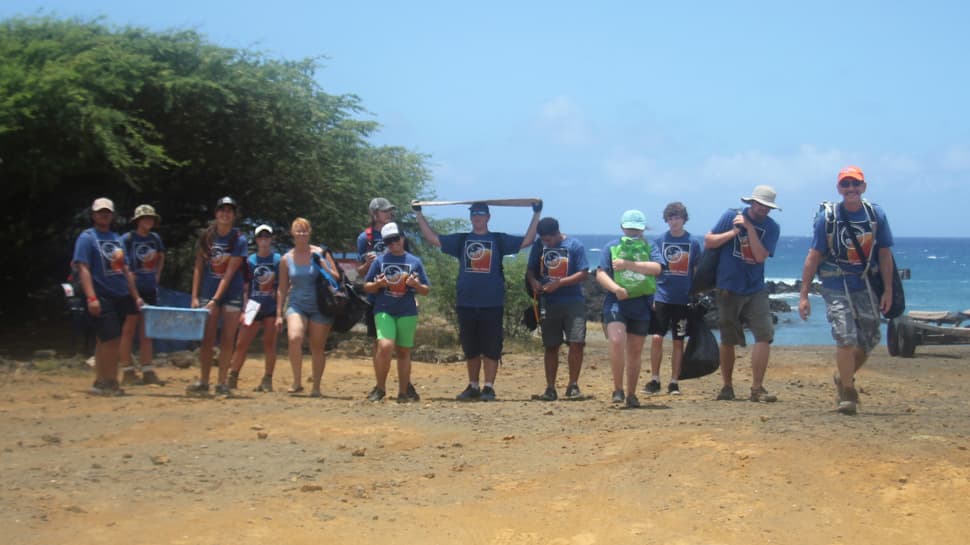
Set on Hawaiʻi Island, this ten-day residential session for teens aged 13 to 17 turns the entire island into a laboratory, taking campers from black sand beaches and coral reefs to lava flows, lowland forest, rainforest and the high slopes of Mauna Kea. Days are built around field trips in the camp vans, where campers run biodiversity surveys, analyze sediment, map shorelines, meet scientists and conservationists at work, and look at everything from lava tubes and tree molds to endemic plants and endangered species. Back at base, the historic Pahala Plantation House, there is time for volleyball, swimming, free time with new friends, and sessions designing, building and launching model rockets or putting together electronic gizmos. Evenings bring a talk about the day's discoveries, campfires and star-gazing under some of the darkest skies anywhere. With a maximum of 22 campers, no tests and no grades, it suits curious teenagers who learn best by doing rather than by sitting in a classroom.
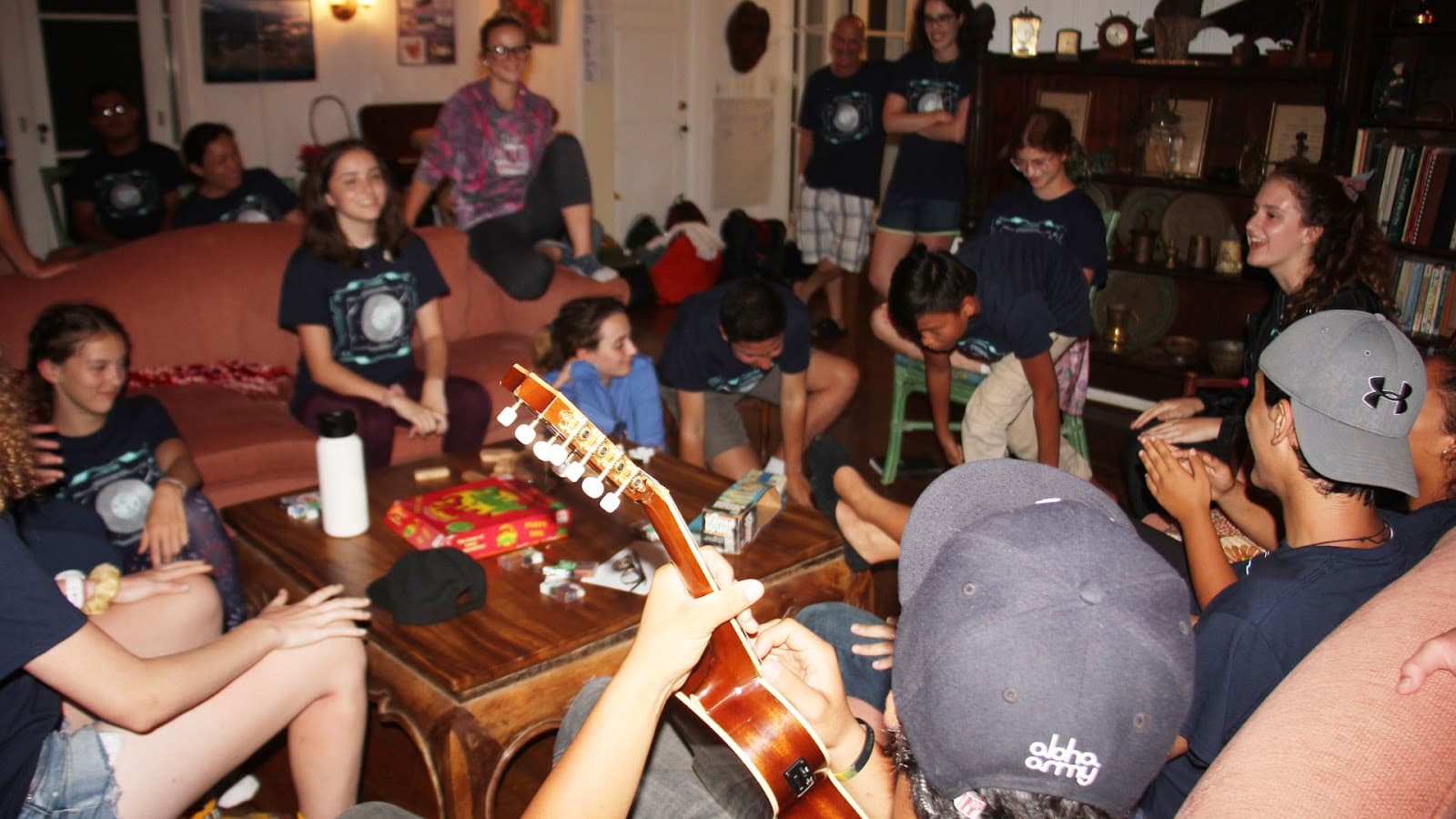
The session runs as one shared group of no more than 22 campers rather than as electives, with everyone moving through the same sequence of ecosystems over ten days: beach, shoreline, volcano, lowland forest, rainforest and mountain. Most mornings start with breakfast and a drive out in the camp vans, and the field trip fills the bulk of the day with hands-on investigation guided by instructors and the scientists and conservationists met along the way. Afternoons back at base mix planned activities with free time, recreation, work on science projects and art and photography, so the rhythm swings between concentrated fieldwork and unstructured time with new friends. Evenings follow a steady pattern of a talk reviewing the day and introducing tomorrow's trip, then a campfire, a science or careers talk, a film, or star-gazing and stories of Polynesian voyaging. What sets the programme apart is that the science is never simulated, and the atmosphere is deliberately low-pressure, with no tests and no grades.
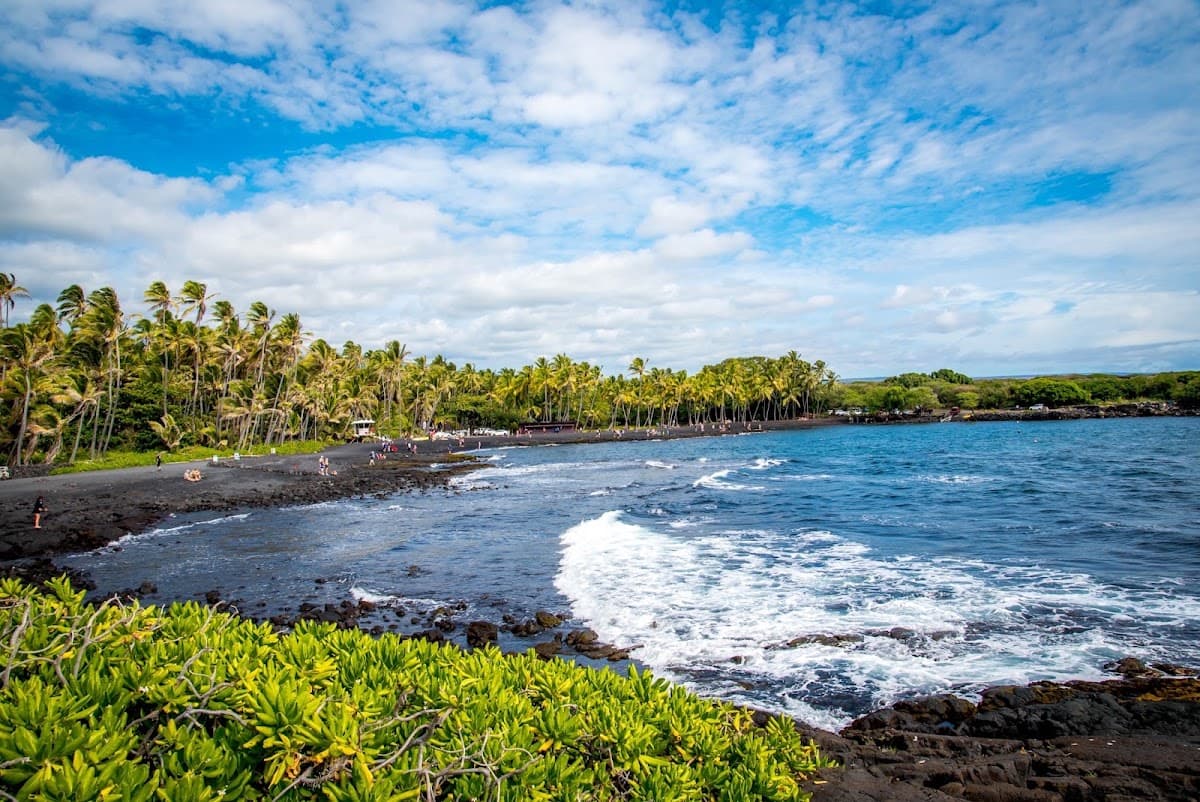
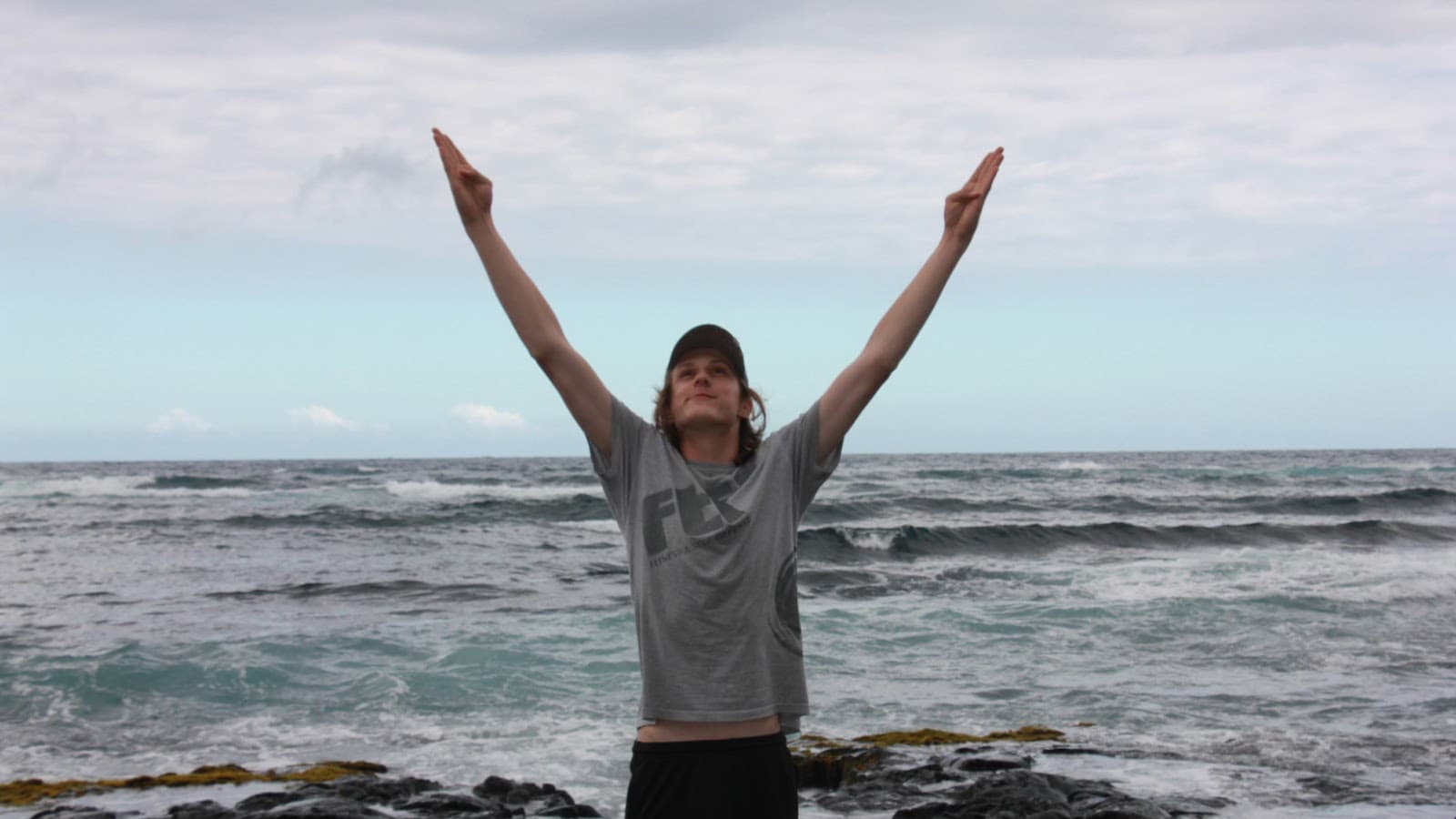
Beach investigation at Punaluʻu
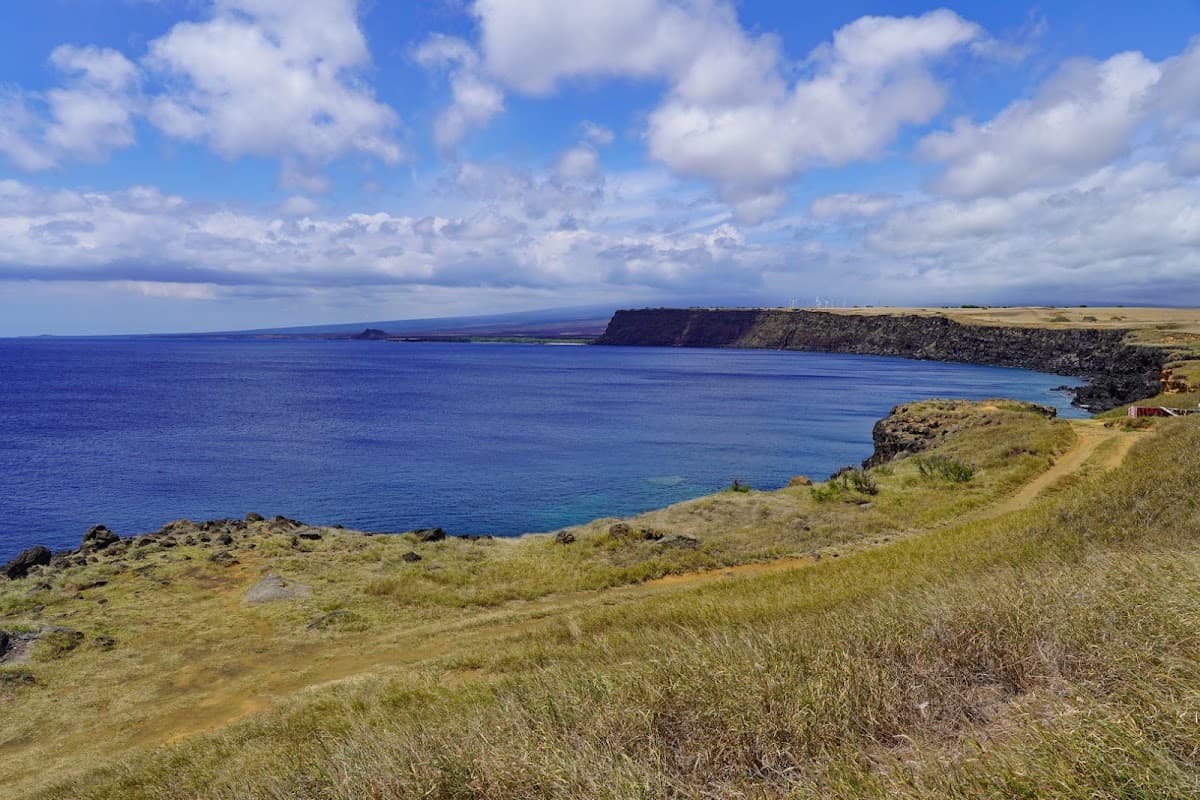
South Point coastline day
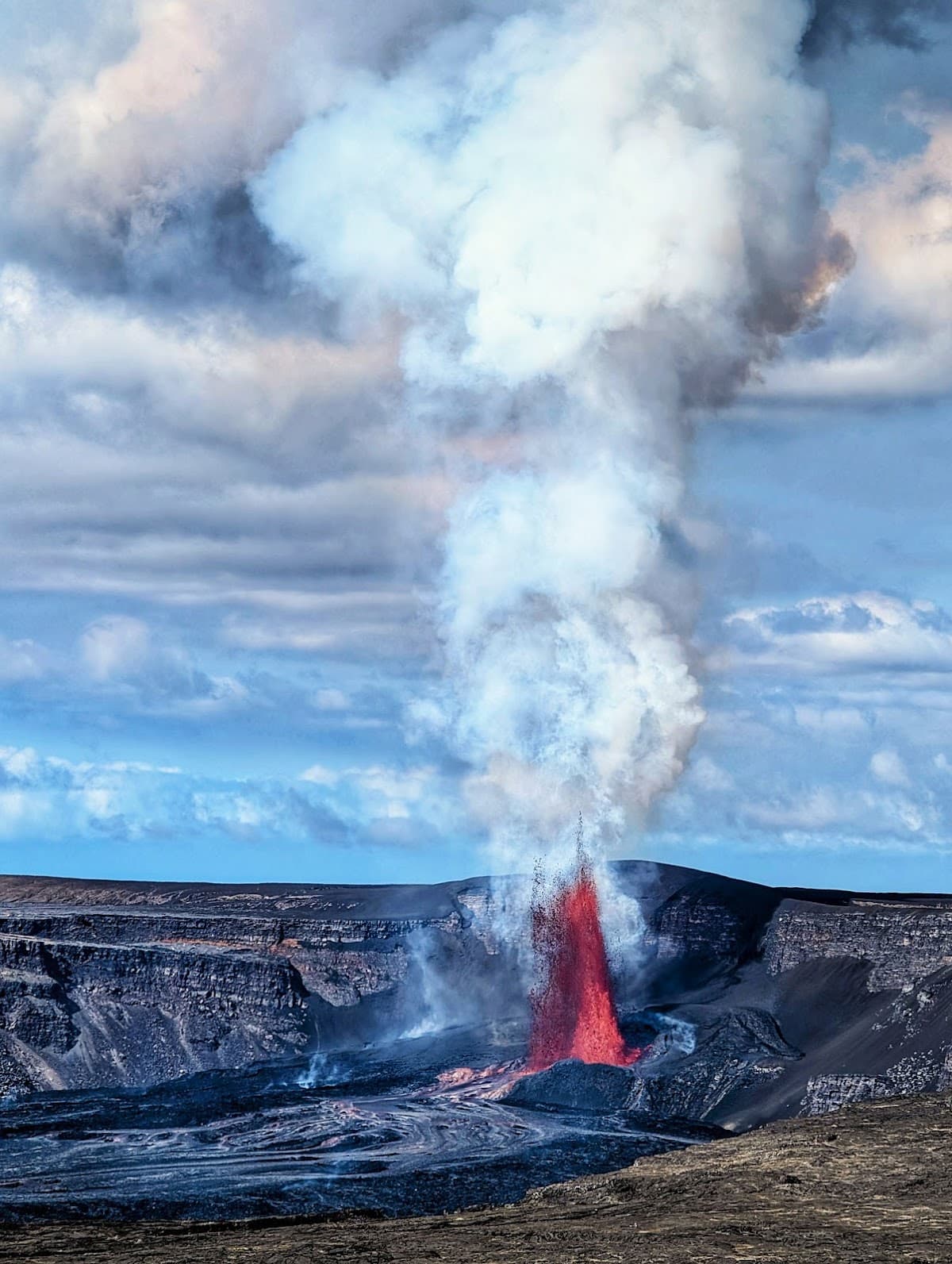
Volcano exploration
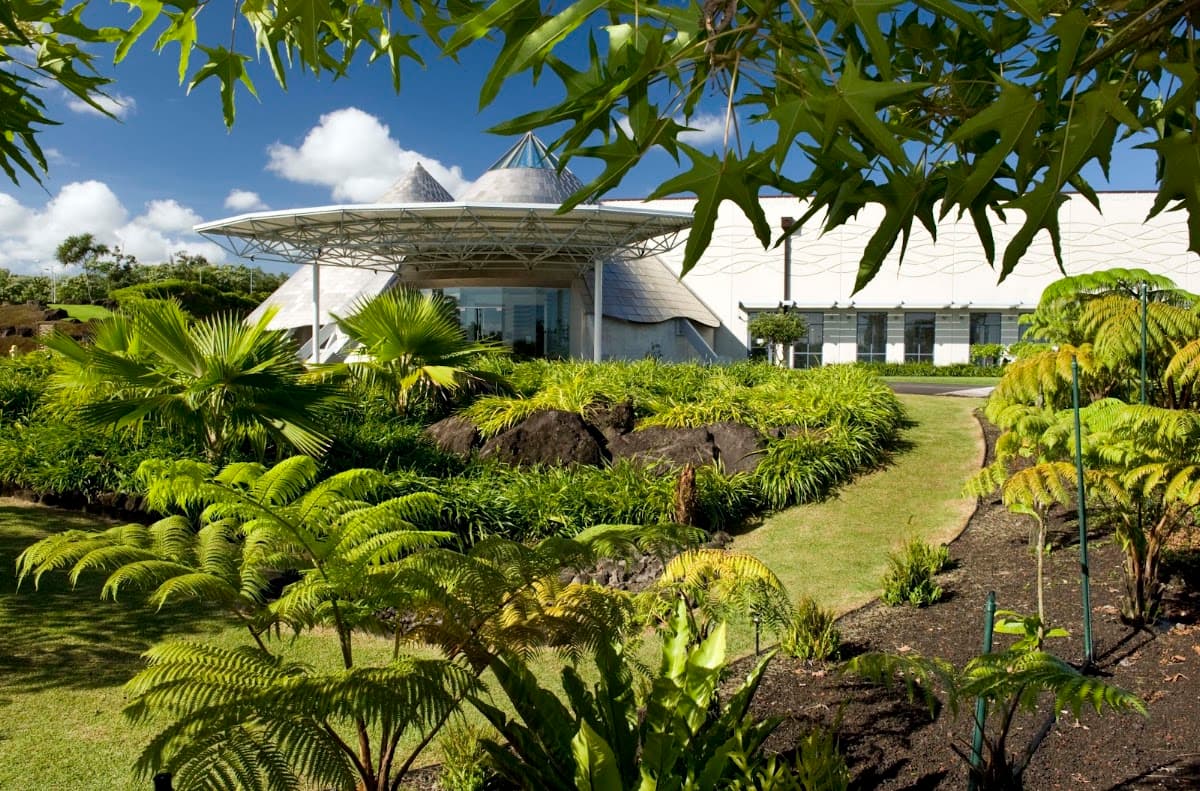
Astronomy centre and planetarium visit
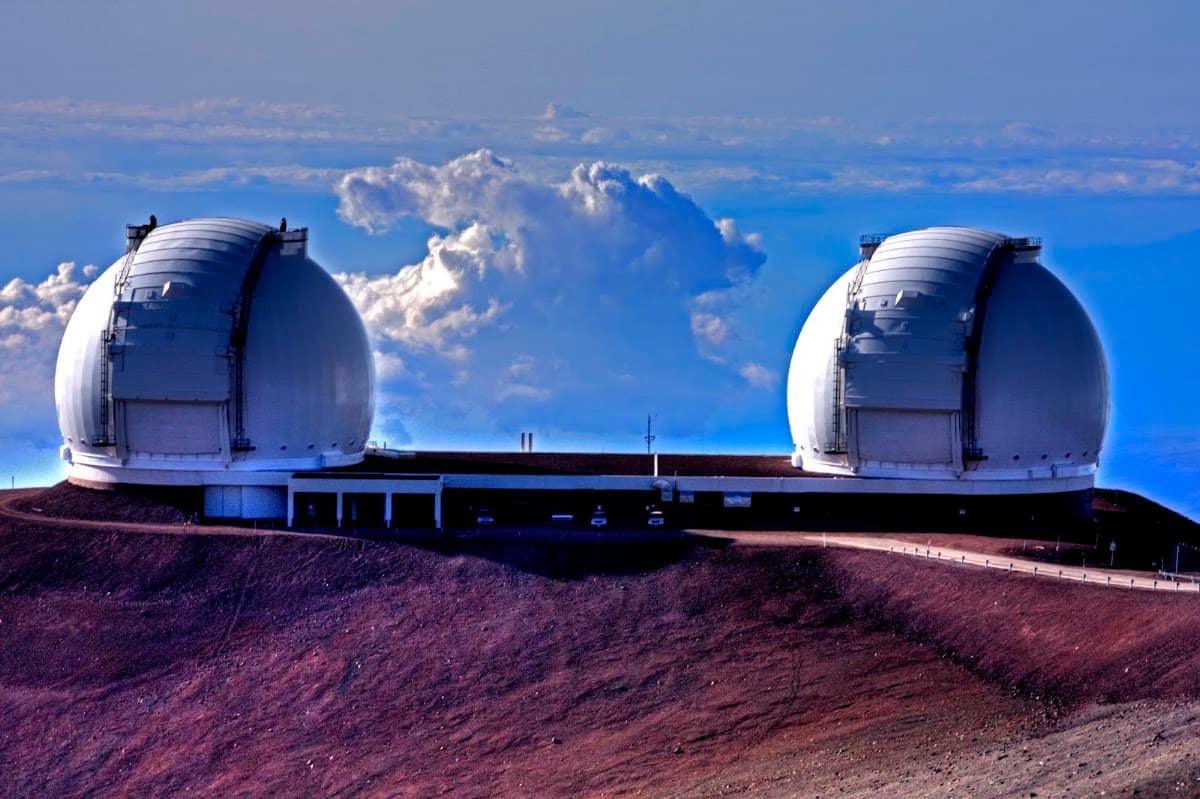
Observatory headquarters visit
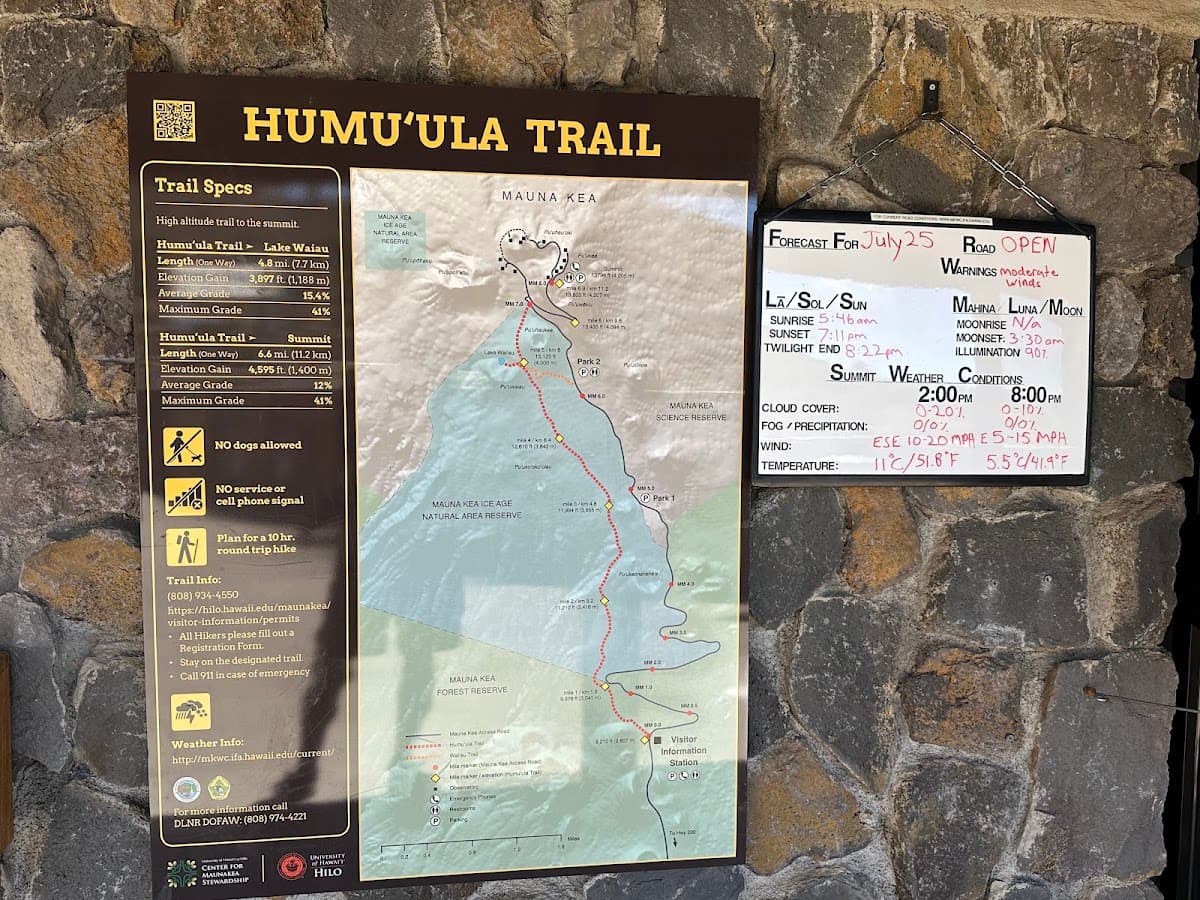
Mauna Kea stargazing
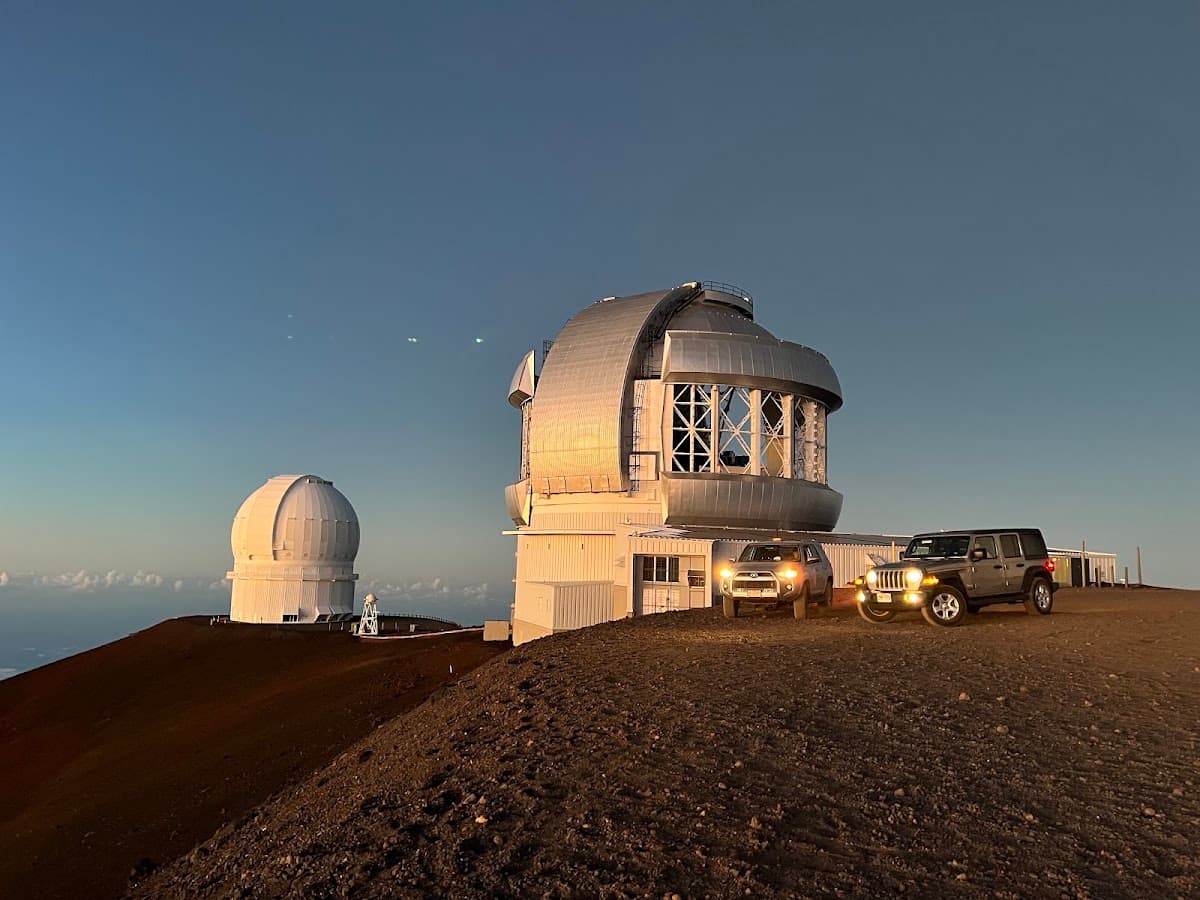
High-altitude atmospheric science
Beach investigation at Punaluʻu
South Point coastline day
Volcano exploration
Camper health, safety and well-being sit behind a detailed set of written policies and procedures. The Camp Director and counsellors provide constant supervision, with no more than five campers per counsellor, and staff are trained in First Aid, CPR, AED use and Wilderness First Aid, while a camp nurse and overseeing physician are on call whenever camp is in session. First aid kits stay on site, travel on every field trip and are carried in all vehicles, and the camp sits less than half a mile from the Kaʻū Hospital Emergency Department and the Kaʻū Fire Station. Because the programme involves hiking across rainforest, desert, cooled lava flows and rocky ground, campers are required to wear appropriate safety attire where necessary. A Code of Conduct prohibiting bullying, harassment, drugs, alcohol and weapons keeps the group positive and inclusive, and staff bring training in supporting teens, encouraging positive behaviour and resolving conflicts.
lunch
Box lunches are provided for field trips.
Meals are included in the fee and prepared by the camp cook, with most of them eaten together at the Plantation House, either in the spacious dining room or outdoors on the lanai. On field trip days a box lunch travels with the group, and some sessions end with a picnic dinner on the coast before the drive back. Setting up and clearing away meals is part of the shared camp chores campers take on under staff direction. Most dietary considerations can be accommodated.
Breakfast
Field trip to Punaluʻu Black Sand Beach for a beach investigation — biodiversity
Lunch
Free swim, snorkelling and time on the beach
Arrive back at camp, free time
Dinner
Campfire and star-gazing
The aim is a safe, focused environment with as few distractions as possible, so laptops, tablets, music players, gaming systems and similar devices are asked to stay at home and are on the list of items campers may not bring. Cell phones are expected to travel with most campers, so they are collected on arrival and returned at the end of the session; while at camp, campers may call home on request as the schedule allows. Instead of personal screens, cameras are handed out for campers to use throughout the session, which is why so many photos come back each day, some of them posted online for families to follow along.
Refunds apply to the balance only; the deposit is non-refundable after the first 24 hours. Select a session for exact dates.
100% refund
30+ days before start
No refund
Under 30 days before start
The booking deposit is non-refundable 24 hours after booking — the refund percentages above apply to the remaining balance only.
Where your child sleeps
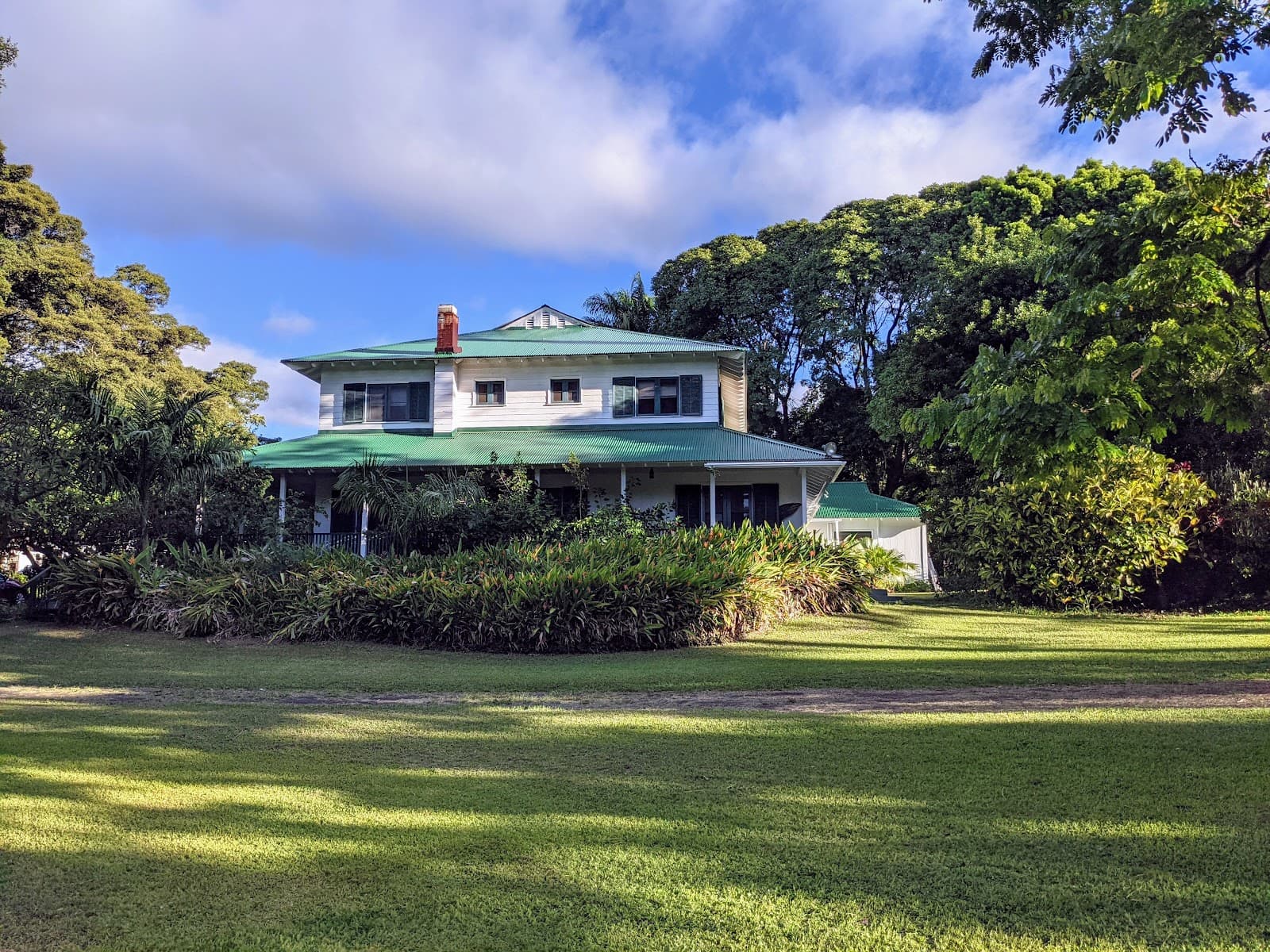
Campers and counsellors live at the historic Pahala Plantation House and its adjacent cottages, a warm old home filled with antiques and relics of Hawaiʻi's past. Upstairs bedrooms in the Plantation House are usually where the girls stay with their counsellors, while the boys and their counsellors have a separate cottage nearby. Each camper shares a bedroom with one to three others and a bathroom with about five or six housemates, and with a maximum of 22 campers per session the house feels like a family base rather than an institution. Linens are provided at the start of each session, and washers and dryers in every cottage are free to use, with campers looking after their own laundry as part of the camp's shared chores.
Amenities
Historic plantation house next to the town of Pahala on the southeast side of Hawaiʻi Island, on the flanks of Mauna Loa a few miles inland of the ocean and about 25 miles south of the summit of Kīlauea volcano
Camp is based at the historic Pahala Plantation House, a few miles inland from the ocean on the flanks of Mauna Loa and roughly 25 miles south of Kīlauea's summit. The house is the group's base: meals are eaten in its dining room or out on the lanai, free time is spent indoors and out, and it is where everyone gathers to talk through the day's science. Sleeping space is spread between upstairs bedrooms and nearby cottages, and the grounds give room for volleyball and relaxing between field trips. The island itself does the rest of the work, with beaches, lava fields, forests and observatories all within reach of the camp vans.
Campus facilities
96-3208 Maile Street, Pahala, Hawaii, 96777, United States
Pāhala Plantation House
Map loads with your permission — it connects to Google Maps.
Getting your child there
Hilo International Airport
Pickup service · Campers flying into Hilo are met at the airport by camp staff and driven to Pahala in one of the camp vans. On departure, staff take campers back to Hilo and stay with them until they have checked in and passed through security. Transfers to and from Hilo are covered by the camp fee.
Kona International Airport
Pickup service · Campers arriving at Kona are met by camp staff and driven to camp in a camp van. For the journey home, staff accompany campers to Kona and remain with them until they have checked in and cleared security. Transfers to and from Kona are included in the camp fee.
Drop-off at camp
Families who prefer to travel themselves may drop campers off and pick them up directly at camp, the Pahala Plantation House next to the town of Pahala on the southeast side of Hawaiʻi Island.
Same ages, same season — in case this one is full
Where this camp lives, and what's around it
Save this camp to a wishlist to compare later, or ask the advisor to check it against your dates and budget.
from $2,955
Jul 2027