

Highlights
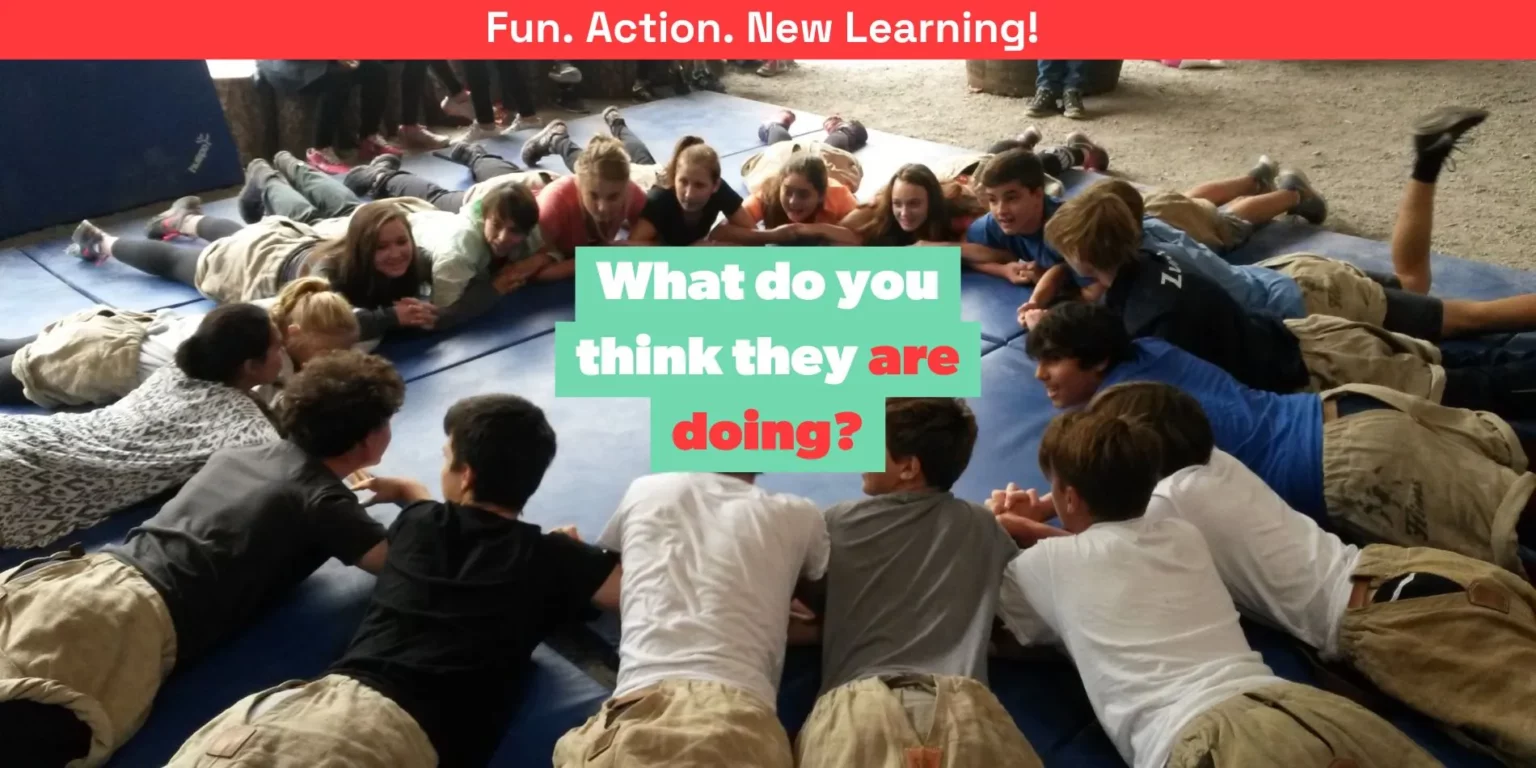
- Holistic development
- Cultural diversity
- Experiential learning, lasting a lifetime
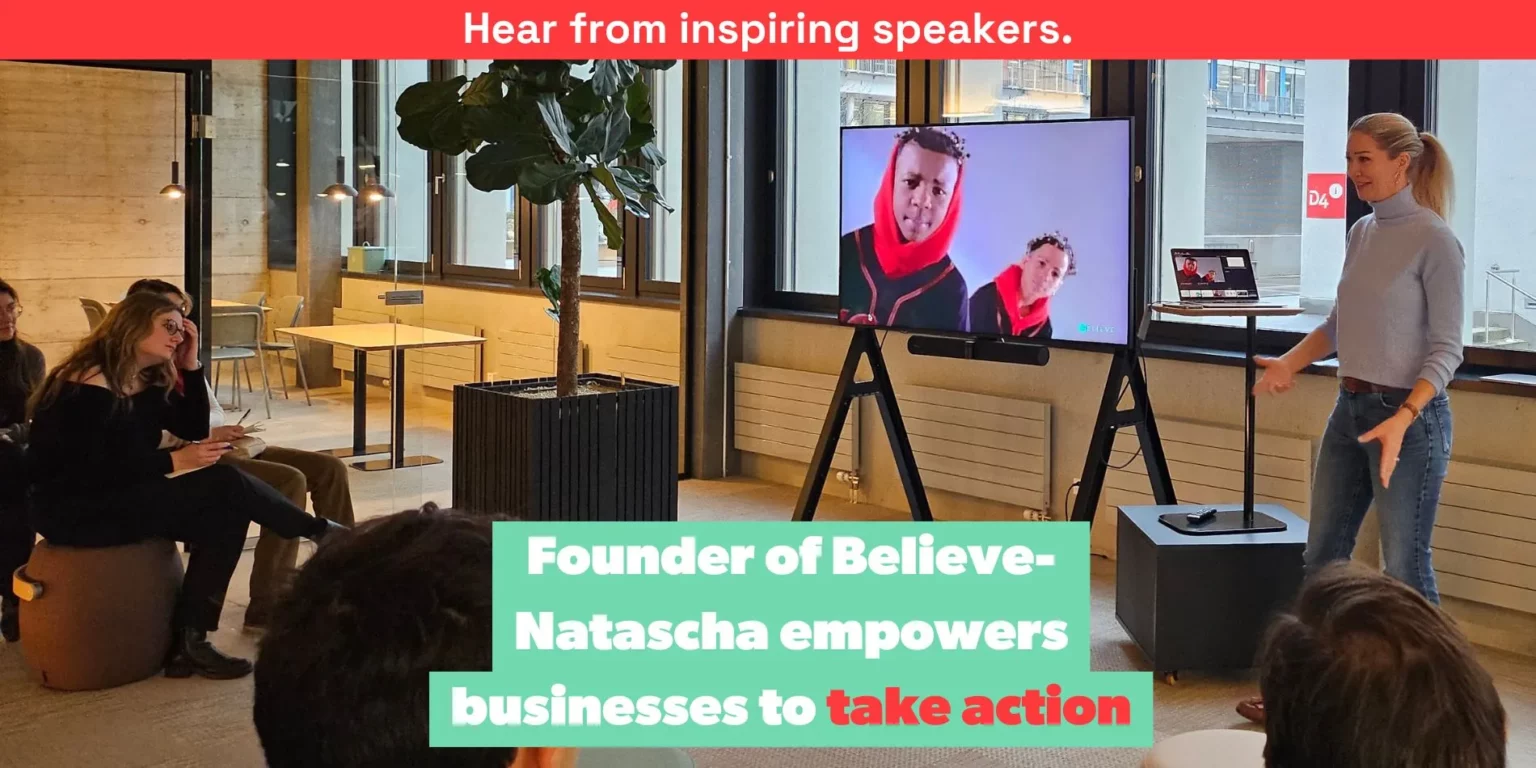
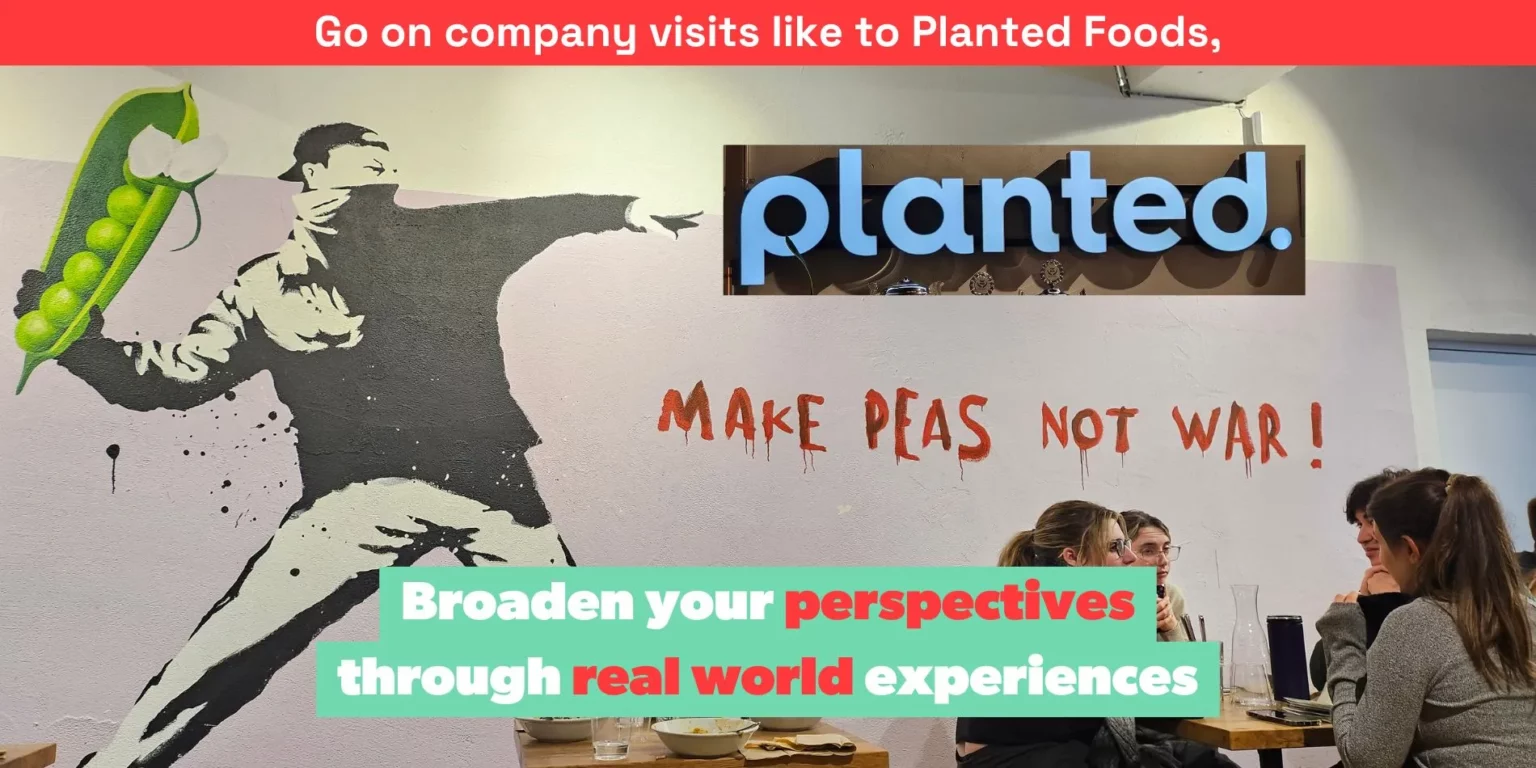
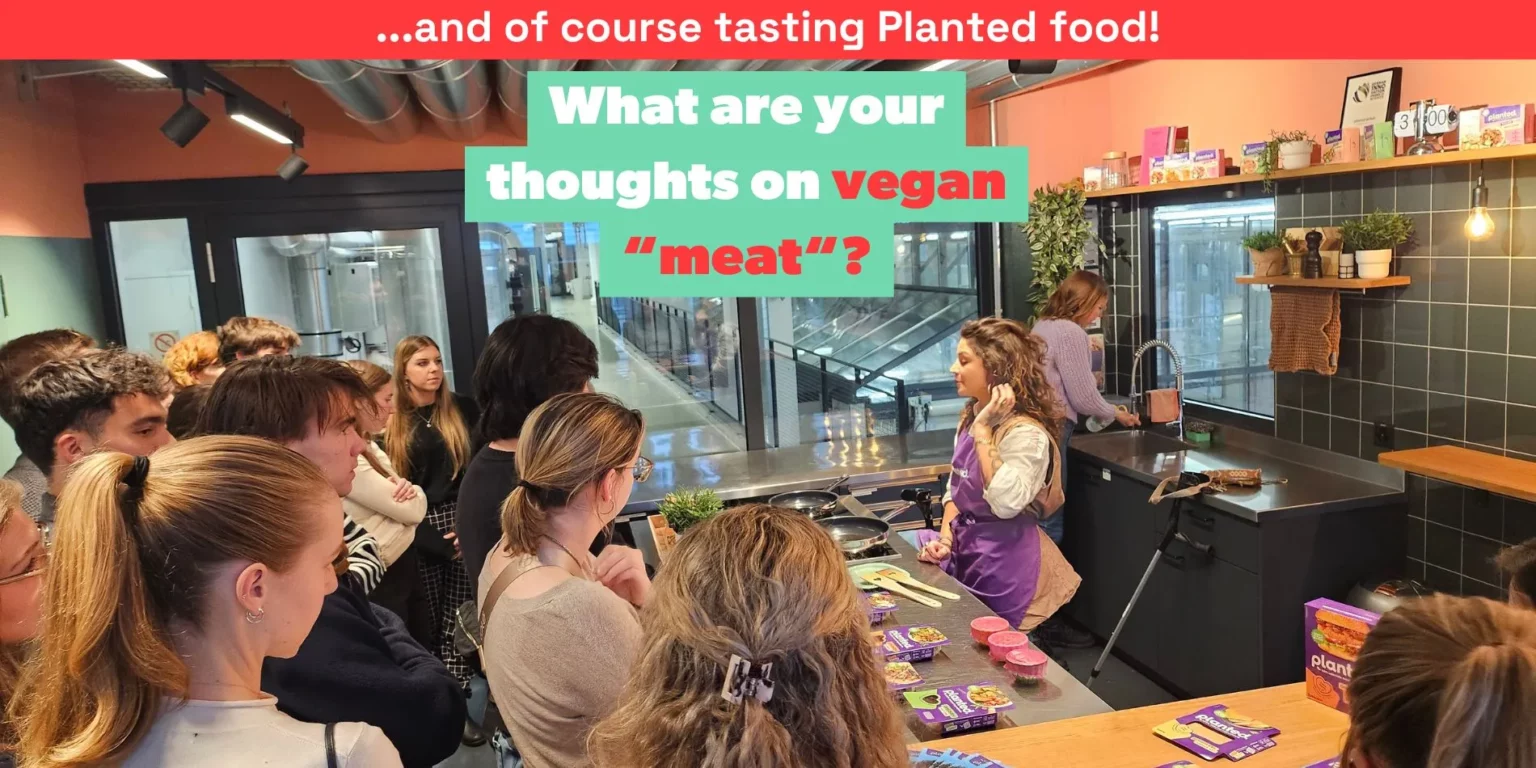
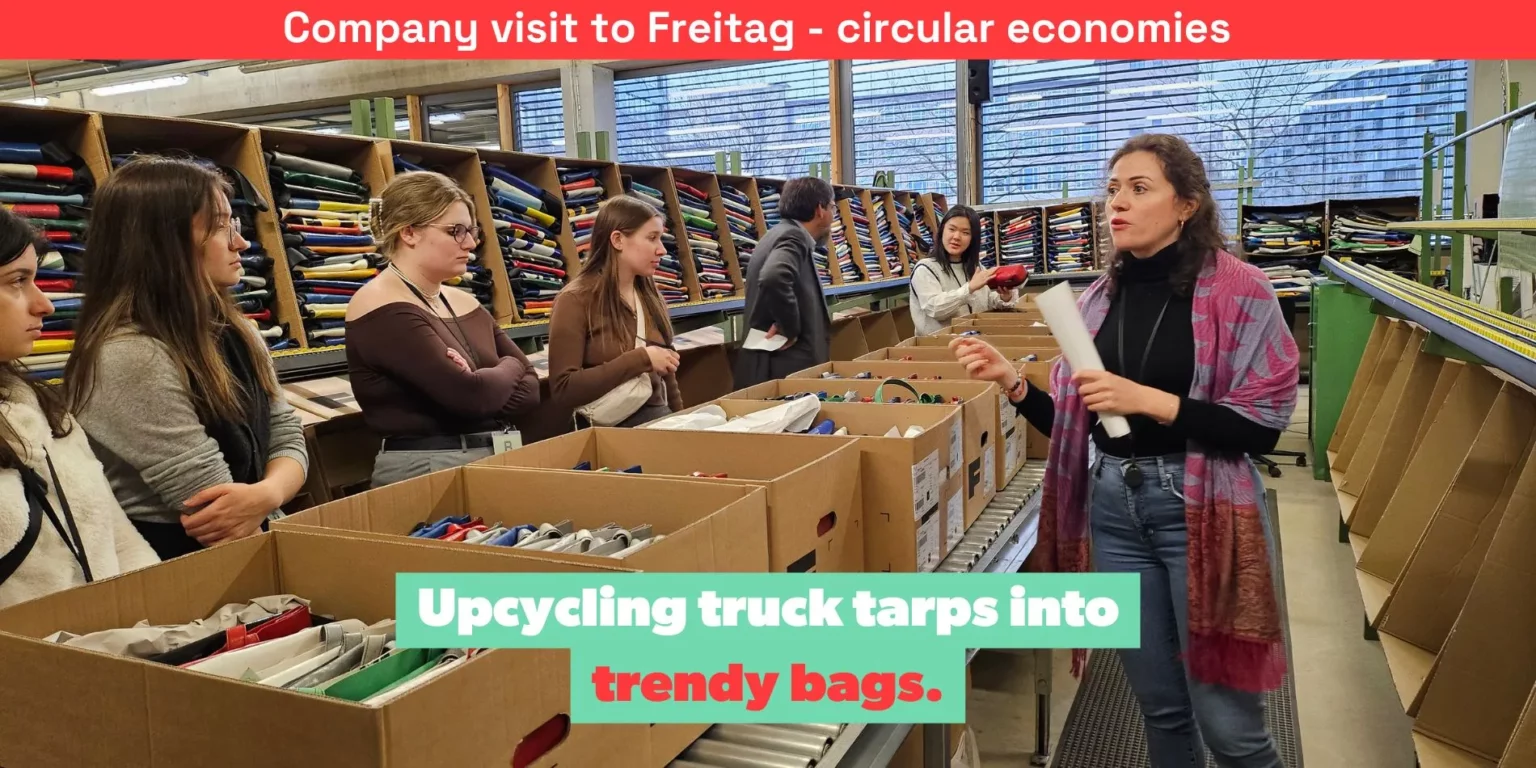
- Corporate networking opportunities
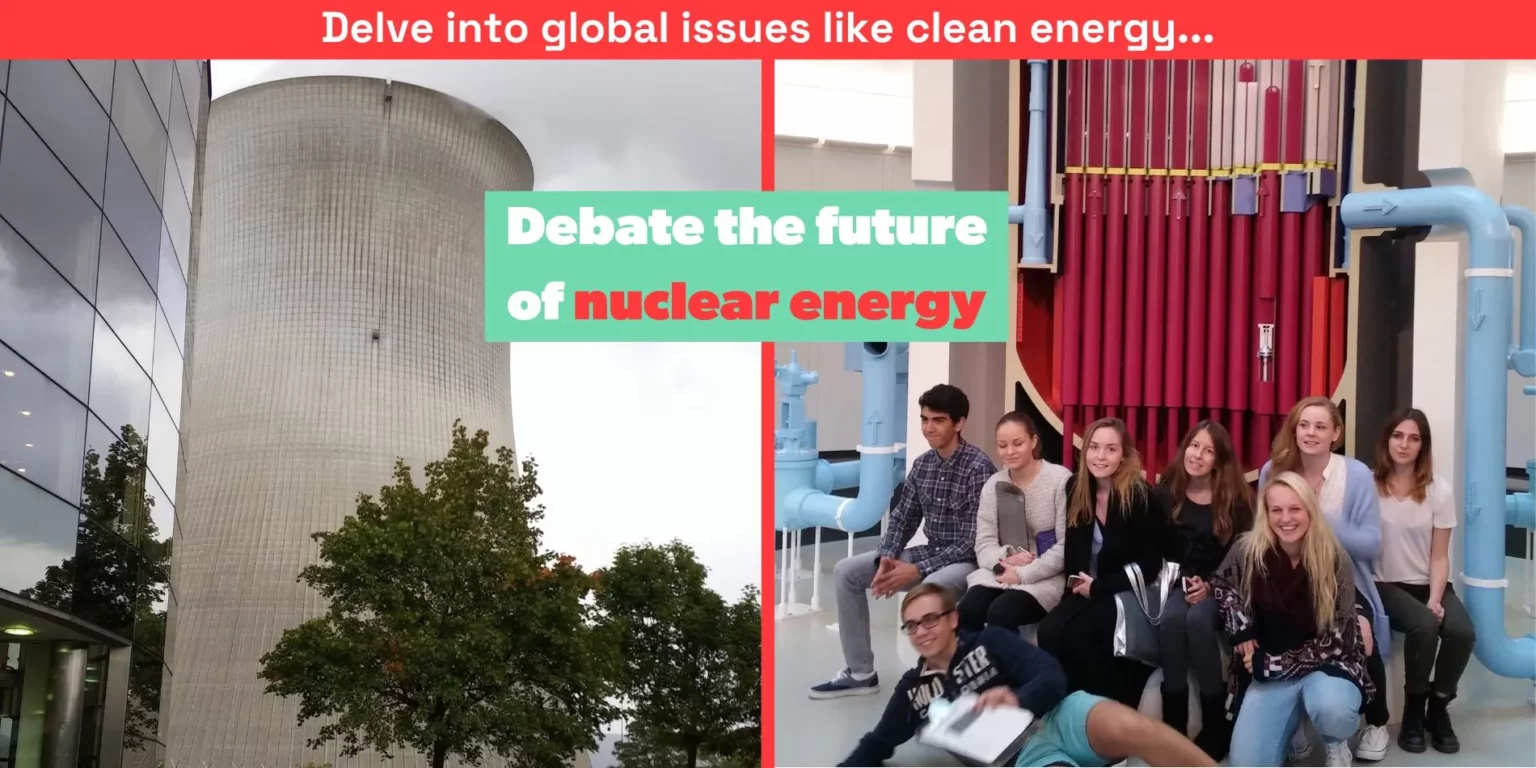
Focused on STEM for an enriched camp experience.
Overview
For too long, art and science have been treated as separate worlds.We believe the challenges of our time require both.
Art for Impact invites young people to explore how creativity can help us understand complex global challenges, process emotions, communicate ideas, and inspire action.
This generation has a lot riding on their shoulders. But before big action comes belief.
Throughout the week participants will:
Explore the connection between creativity and sustainability
Learn from artists, scientists, and environmental leaders
Build confidence in self-expression and storytelling
Develop resilience and emotional intelligence
Discover how creative practice can support social and environmental change
Art for Impact brings together creativity, science, sustainability, and storytelling to help young people explore how change happens in the real world.
14-19 yo
From July 6 to July 11, 2026
1 week
From $928
Max 15 campers
Co-Education
Shared
Activities
Day 1: Arrival & Setting the Scene
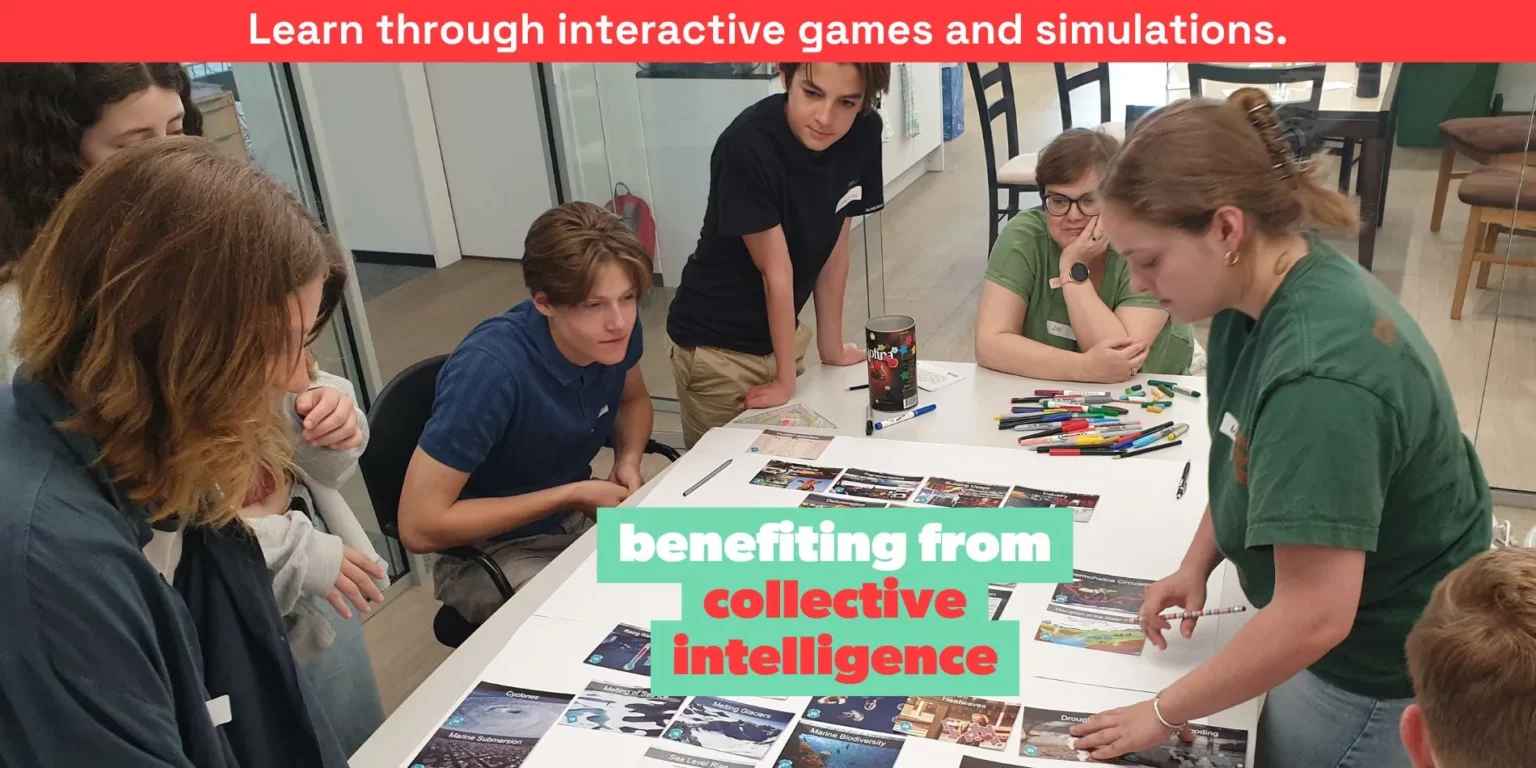
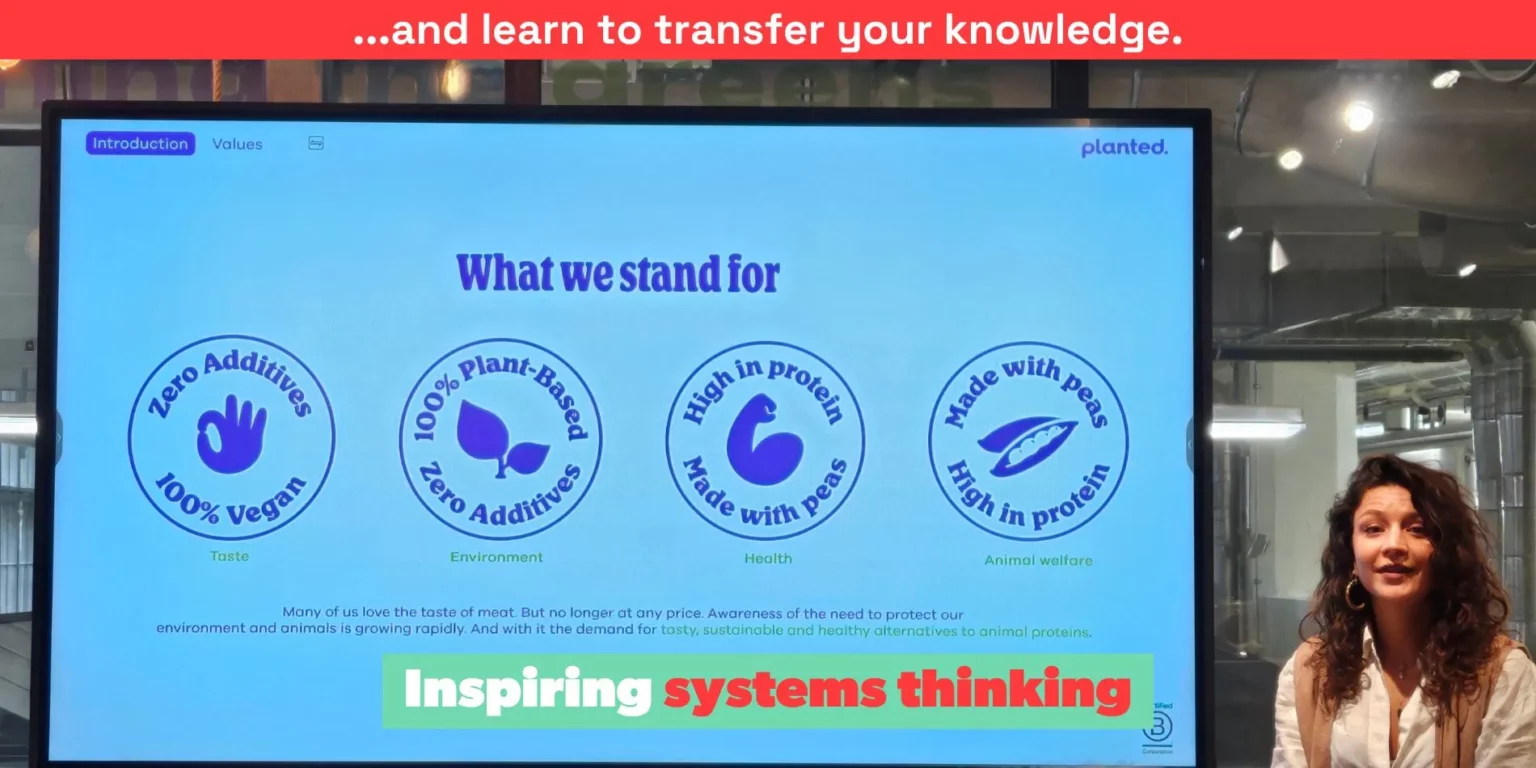
Travel to Scuol and explore climate systems through Climate Fresk, an interactive workshop that brings climate complexity to life.
You’ll learn:
Systems thinking
Climate awareness
Team building and collaboration
Day 2: Rooted in the Land
Create natural skincare products from local plants and learn traditional sgraffito art techniques using natural materials.
You’ll learn:
Sustainable craftsmanship
Cultural storytelling
Creative approaches to sustainability
Day 3: The Work That Reconnects
Experience the transformative power of the Work That Reconnects, a framework that helps transform feelings of overwhelm, grief, or disconnection into resilience, connection, purpose, and meaningful action.
Day 4: To the Glacier
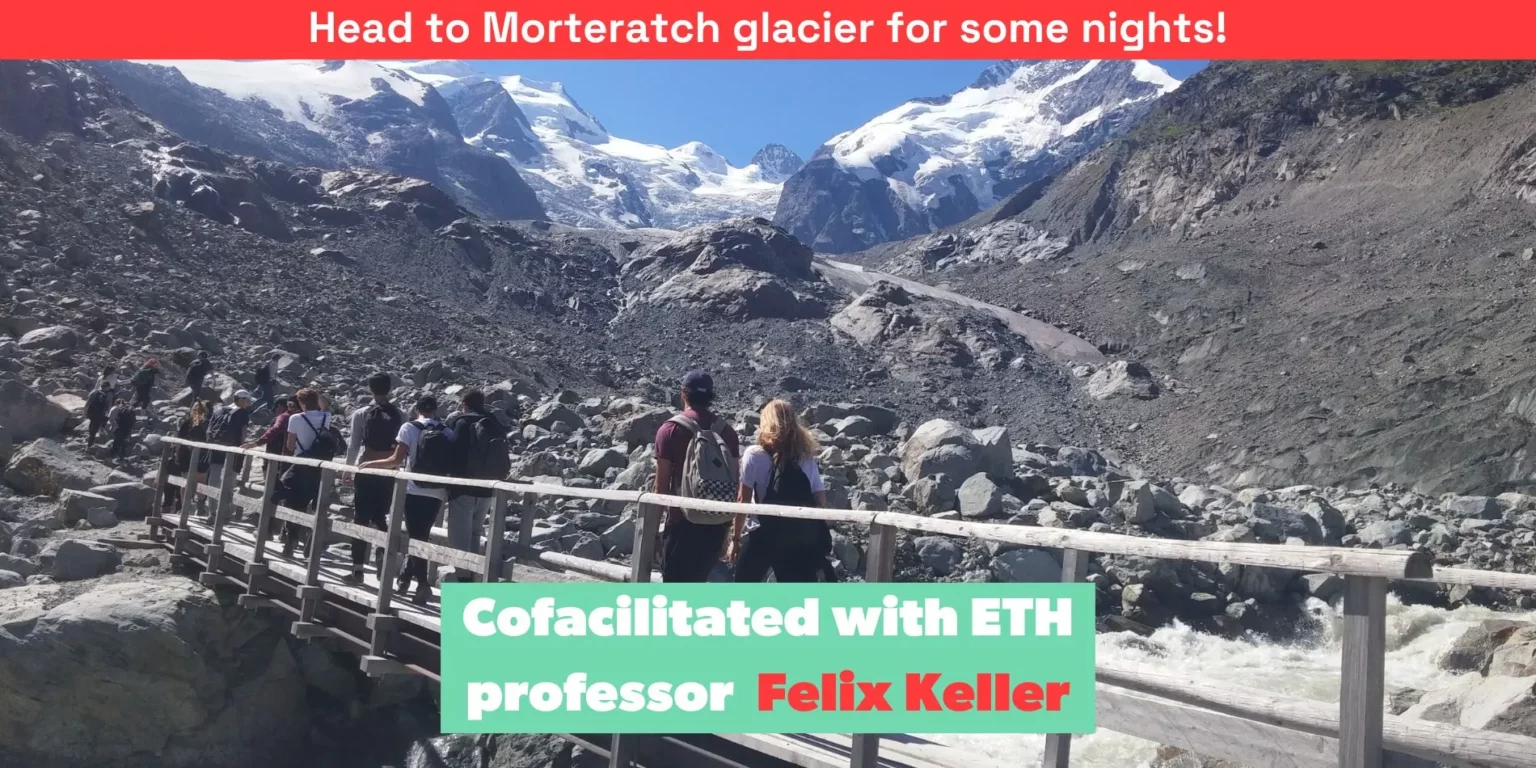
Visit the Morteratsch Glacier and meet Dr. Felix Keller to explore climate science, music, and environmental innovation.
You’ll learn:
Glacier ecosystems
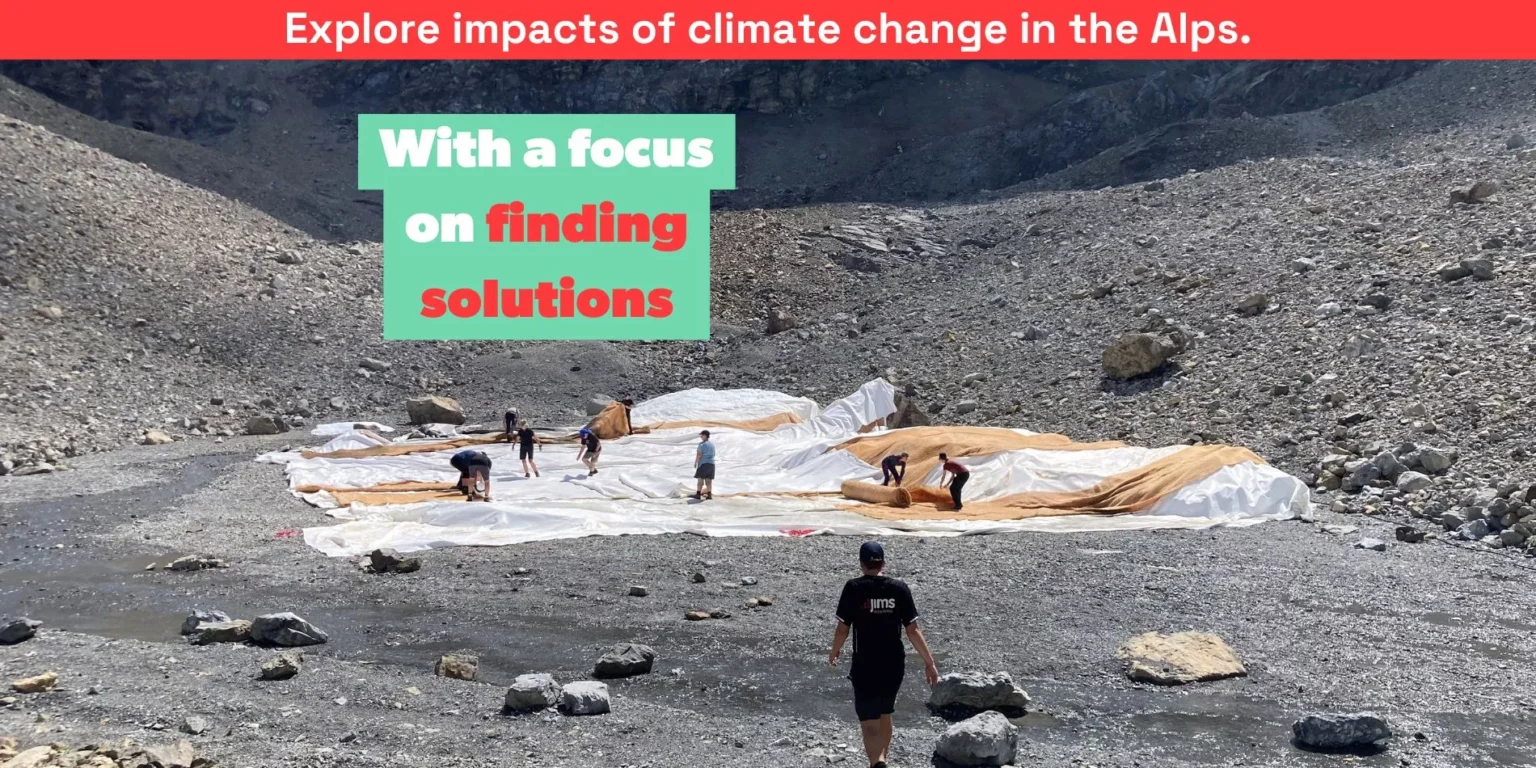
Climate impacts
Nature-inspired creativity
Day 5: On the Glacier
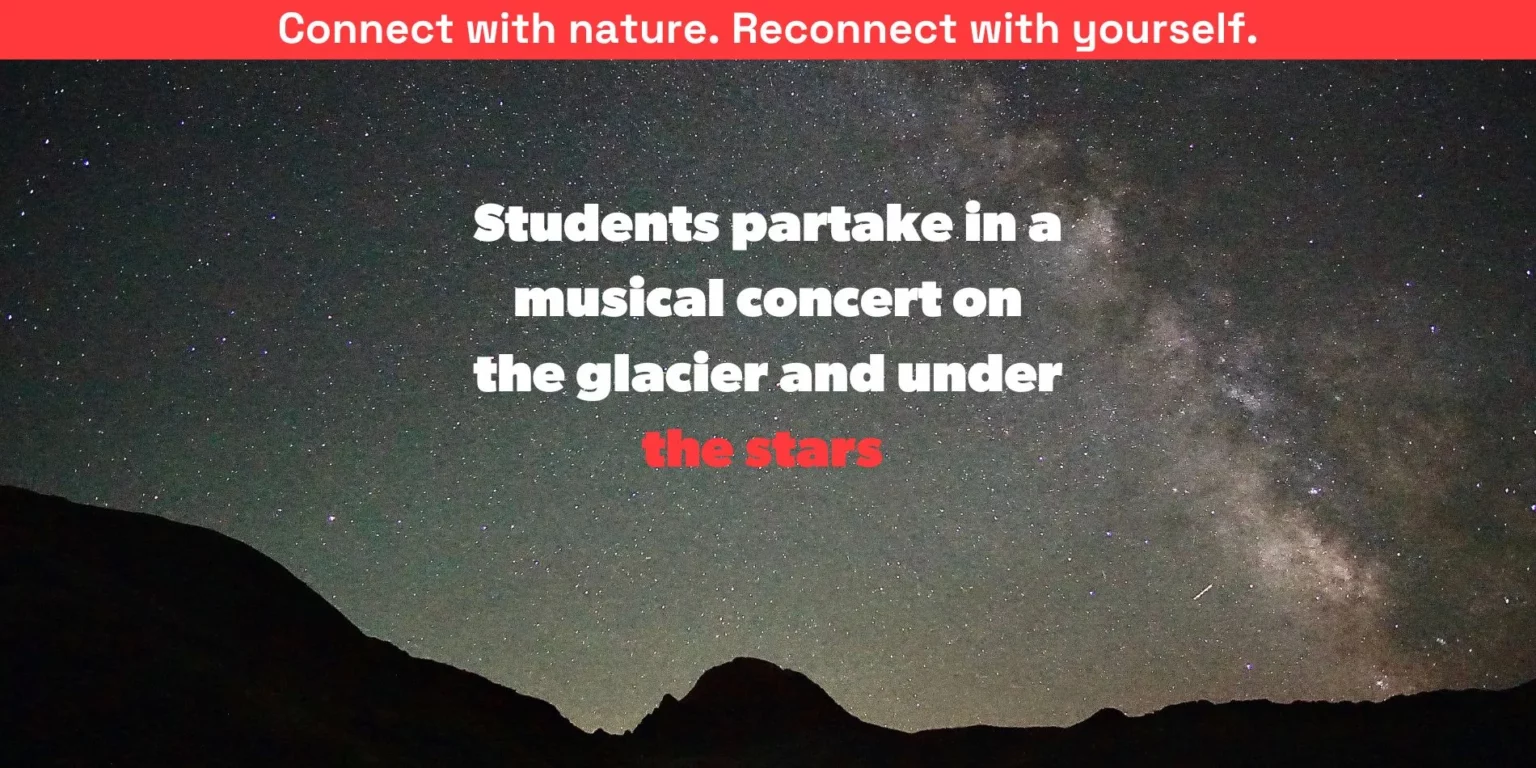
Experience one of the world’s most inspiring classrooms while exploring the relationship between art, advocacy, and action.
You’ll learn:
Creative climate communication
Artistic storytelling
Visioning positive futures
Day 6: Reflection & Next Steps
Celebrate the journey, share insights, and explore how creativity can continue shaping your impact beyond the program.
You’ll learn:
Personal reflection
Creative leadership
Turning inspiration into action
Dates & Pricing
Cost:
Seedling Contributor: CHF 750
Flourishing Contributor: CHF 1,500
Abundant Contributor: CHF 1,900
The Flourishing fee covers the full program cost. Seedling places are made possible through the support of Abundant contributors.
From July 6 to July 11, 2026
From $928
Academics
Our whole program is a unique transdisciplinary academic program that promotes systems thinking, and the concept of circularity in multiple contexts. Students not only experience, but they also apply what they learn. The 4 segments are:
1. Self-development
2. Projects, concepts, and inquiry
3. Real-world learning (learning in context)
4. Community partnerships
Schedule
The daily and weekly outline can be explored in our brochure: https://makethechange.aflip.in/98eba7c704.html#page/1
Video
Reviews
 Art for Impact (by Gaia Changemakers Program)
Sorry, no reviews match your current selections
Q&A
Semi Residential – CHF 5,700
Fully-residential – CHF 7,200
Fully-residential – includes transfer to/from Zurich airport, accommodation from 13th July to 1st August, all meals and weekend activities for the full program are covered.
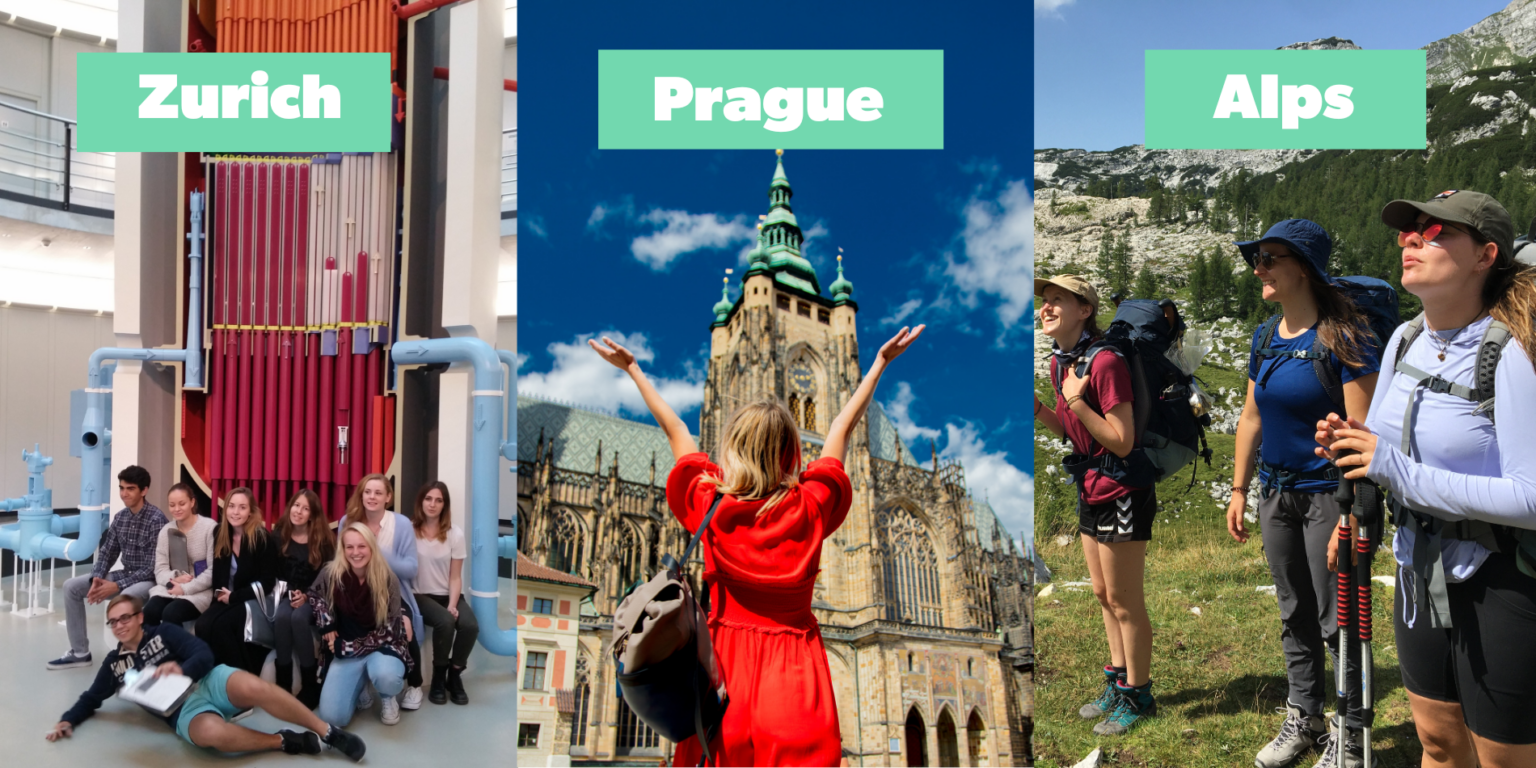
Semi-residential – accommodation in Zurich and over the weekends is NOT provided. Accommodation, meals and transport to/from Prague and the Alps are included.A small number of scholarships are available for highly motivated participants.
1. Co-Facilitation Model: Facilitators work closely together using a co-facilitation model. Each facilitator brings unique skills and expertise, allowing them to divide responsibilities efficiently based on their strengths. This collaborative approach ensures that all participants receive focused guidance and supervision.
2. Small Group Focus: The facilitators will divide the participants into smaller working groups for specific activities, ensuring a more personalized and hands-on experience. Each facilitator will oversee a group, providing mentorship, guidance, and supervision tailored to their needs.
3. Participant Leadership: Leadership development is a key element of the program. Facilitators will encourage participants to take on leadership roles within the group, helping to foster responsibility, teamwork, and peer supervision. This also allows facilitators to focus on guiding rather than micromanaging.
4. Clear Communication Channels: To ensure effective supervision, the facilitators maintain clear and consistent communication. Regular check-ins and briefings are scheduled to assess participant progress, address any issues, and plan activities for the following day.
5. Expert and Partner Involvement: During certain sessions, experts and partners from collaborating organizations will assist in leading specific workshops or excursions. This ensures that participants have access to specialized knowledge.
1. Relevant Educational Background: A degree in education, environmental science, sustainability, social sciences, or related fields is preferred, with experience in youth development or outdoor education.
2. Youth Program Experience: Prior experience working with teenagers in camps, educational programs, or similar environments is essential. This includes leading group activities, workshops, and outdoor adventures.
3. First Aid and Safety Certification: All team members must hold current first aid certification. Additional qualifications in wilderness safety or risk management are highly desirable.
4. Leadership and Communication: Strong leadership, communication, and conflict resolution skills are essential. Team members should be capable of facilitating team-building activities and guiding participants through challenges.
5. Passion for Sustainability: Team members should have a deep understanding of sustainability and regenerative economics, with the ability to inspire participants to engage with these concepts.
6. Cultural Sensitivity and Inclusivity: Team members must be culturally aware and skilled at fostering an inclusive, respectful environment for participants from diverse backgrounds.
7. Adaptability and Problem-Solving: Given the dynamic nature of the program, team members must be adaptable and able to respond quickly and effectively to any challenges or changes.
8. High Ethical Standards: Team members are expected to model professionalism, responsibility, and ethical behavior, ensuring a safe and supportive environment for all participants.
Yes, We require that every team member working on any of our camps completes a police background check and provides references.
1. Pre-Camp Orientation: All staff participate in an orientation covering the program’s core operational and safety protocols, and themes—sustainability, regenerative economics, and systems thinking. This ensures consistency in delivering the program’s mission to participants.
2. Safety and First Aid Certification: Staff are trained in basic first aid and activity-specific safety protocols.
3. Child Protection and Safeguarding: Staff receive training in child protection, assisting them to recognize and address physical and emotional safety concerns, including preventing and handling bullying.
4. Feedback and Improvement: Post-program evaluation sessions allow team members to reflect on their performance, gather feedback from campers and peers, and improve their facilitation and teaching techniques for future sessions.
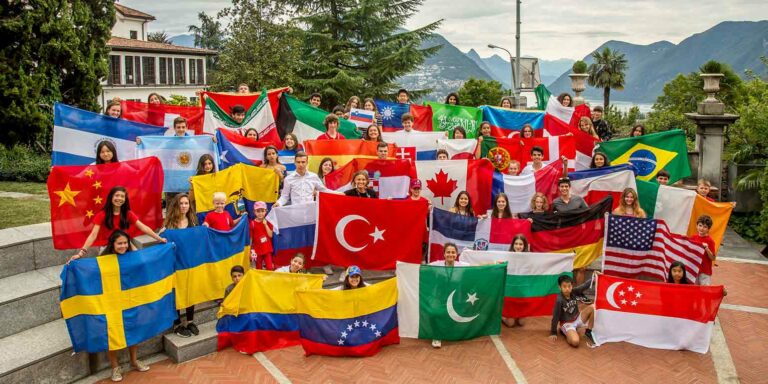
Diversity and inclusion are fundamental values woven into our program. We celebrate the unique perspectives, cultures, and backgrounds that each participant brings, fostering an environment of respect, empathy, and collaboration.
Our curriculum actively promotes inclusivity, encouraging open discussions around diversity, global issues, and shared experiences.
We believe in creating a space where every student feels valued and heard. To ensure this, we have a strict zero-tolerance policy for any form of discrimination or bullying. We are committed to building an inclusive community where all participants feel safe, supported, and empowered to contribute to positive change.
CODE OF CONDUCT:
1. Respect for Others: All participants are expected to treat fellow campers, staff, and local communities with respect. This includes respecting different opinions, cultures, and personal space.
2. Inclusivity: We foster an inclusive environment where diversity is celebrated. Bullying, discrimination, or any form of harassment will not be tolerated.
3. Responsibility: Campers are responsible for their actions and are expected to take care of the environment and materials used in workshops. Participation in all activities is encouraged, and safety instructions must be followed.
4. Positive Attitude: We promote a positive, open-minded attitude toward learning, challenges, and teamwork. Participants should be willing to try new things and collaborate.
5. No Substance Use: The use of drugs, alcohol, or any prohibited substances is strictly forbidden during the camp.
6. Commitment to Learning: Participants are expected to engage actively in workshops, projects, and discussions. Disruptive behavior is discouraged, and continuous engagement is highly encouraged.
7. Digital Etiquette: Responsible use of technology is required. Phones or devices should not interfere with group activities or learning experiences.
SAFETY PROTOCOLS
1. Health and Safety Measures: The camp ensures proper health and safety measures, including regular sanitation, safe food handling, and health checks where necessary.
2. Emergency Procedures: An emergency response plan is in place for each location (Zurich, Prague, Swiss Alps).
3. Risk Assessment: Before each activity or excursion, a risk assessment is conducted, and additional activity specific safety measures are put in place where required.
4. Participant Briefing: All participants will be briefed before any excursion or activity on the safety protocols, what to do in case of emergencies, and whom to contact in case of problems.
5. Medical Support: We have a first-aid responder on-site at all times. A medical kit is available, and the nearest emergency medical services are decided ahead of time.
6. Curfew and Check-ins: There will be a curfew for all residential students, and check-ins are conducted multiple times a day to ensure the well-being of all participants.
7. Parental Contact: In the case of any emergencies or incidents, parents/guardians will be immediately contacted and kept informed of the situation.
We encourage students to develop healthy digital habits. To foster engagement and meaningful connections, mobile phones are not permitted during structured activities or mealtimes unless specifically required for the activity. During free time, students may use their phones, but we promote balance and mindfulness in digital use, ensuring that their focus remains on the transformative experiences the camp provides.
Location
The nearest airport to Art for Impact (by Gaia Changemakers Program) is Zurich. Airport pickup is available upon request. Participants will be met and greeted at Zurich airport, or the main Zurich train station. Transfer to/from the airport to the program will be arranged 1 day before the program begins, and up to 1 day after the program ends. Transfers to/from other airports or stations or on other days can be arranged.

Her (Diya’s) dedication to sustainability is inspiring and is something I want to emulate in my future. Most importantly, she showed me how sustainability is not limited to one sector. This sentiment made me very hopeful because before this course, I thought that sustainable career paths were limited to environmental science or urban planning.
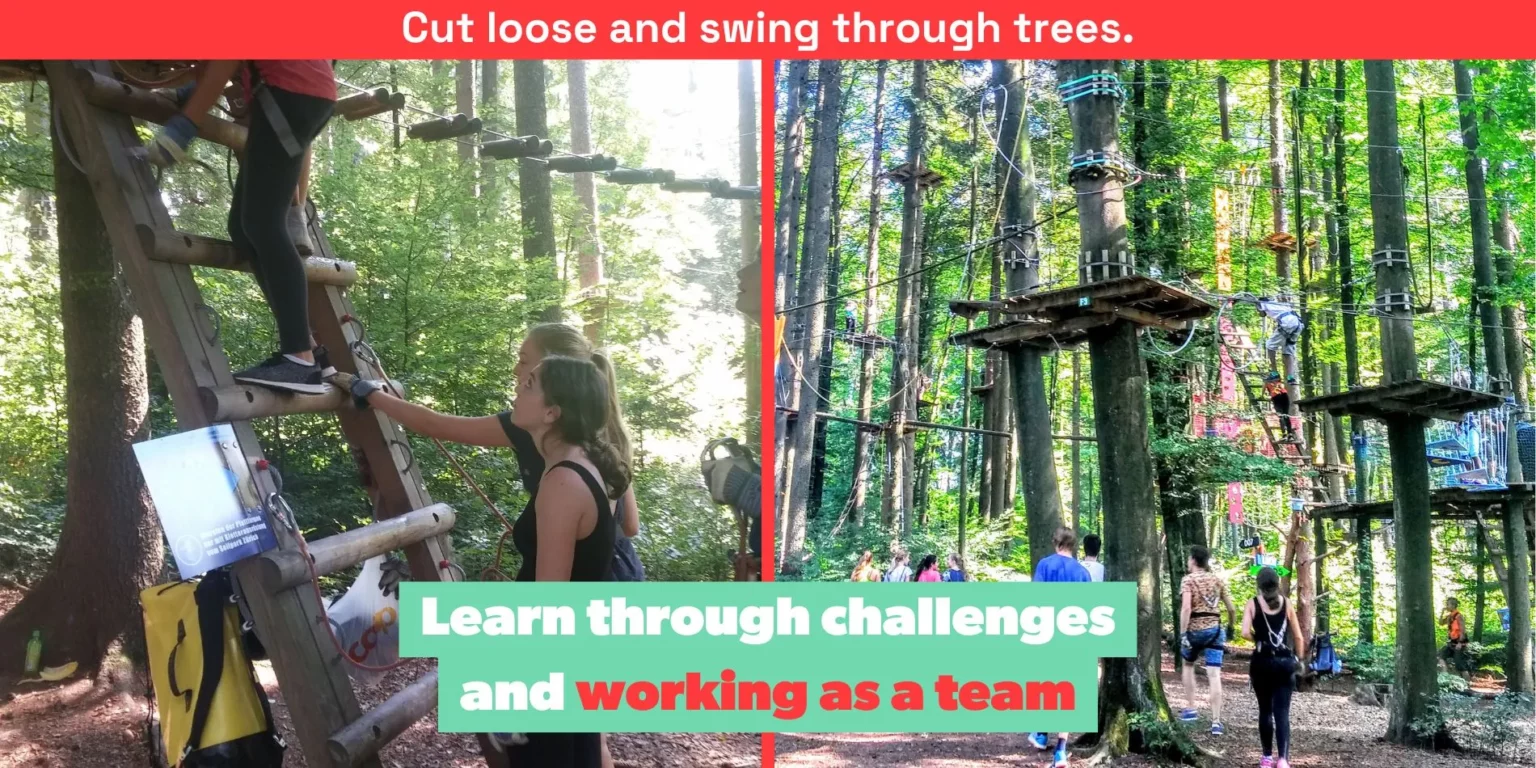
Ms. Kanoria had a profound impact on my personal development as a teacher, mentor and confidant. I fondly remember our trips together like building homes in Romania, or sailing through trees at the ropes park. She supported me through atypical and unstable teenage years, and she motivated me with her trust to do better in and outside of school.”
Alexander Degenhardt
Founder of Cikumas GmbH
Student at University of St. Gallen
Not only is Diya thoughtful, and truly caring of her students, she is deeply passionate about her craft, and in providing learners with the most effective and impactful education possible. In this way, she is, quite frankly, paving the way for our future learners, teachers, and scientists alike. Through her kindness, determination for change, and passion for teaching, she has been a truly influential part of my formative education. It has been a privilege to have been taught by a person like her, and to have had the chance to call her a mentor, teacher, and role model.
Lucy Sparks,
Student at Maastricht University