5 причин отправить ребёнка в летний лагерь
Пять конкретных, подкреплённых исследованиями причин, почему лагерь стоит своих денег и прощания при высадке — от физической активности на свежем воздухе до настоящей самостоятельности.

Фото: Adirondack Woodcraft Camps
Решение о том, отправлять ли ребёнка в лагерь впервые, редко бывает просто вопросом расписания — это настоящий выбор того, каким должно быть его лето и какой рост вы хотите ему дать. Вот пять отдельных причин, на которые чаще всего указывают специалисты по лагерям и родители.
1. Безопасное место для активности на свежем воздухе
Свободное время на улице у детей сокращается уже целое поколение — отчасти из-за соображений безопасности, отчасти из-за исчезновения доступного общественного пространства. Лагеря решают обе проблемы сразу: это контролируемая, специально организованная среда, где регулярная физическая активность становится нормой, а не чем-то второстепенным.
2. Доступ к занятиям, которые не может предложить школа
Бюджетное давление вытеснило внеклассные занятия из расписания многих школ. Лагеря заполняют этот пробел вещами, которые многие дети иначе никогда бы не попробовали — стрельба из лука, каноэ, скалолазание, ориентирование, верховая езда — причём часто с более широким диапазоном уровней подготовки, чем может предложить школьный кружок.
3. Настоящие социальные навыки, а не просто игра под присмотром
Вне школьной иерархии дети из лагеря общаются со сверстниками из разных сред на более равных условиях, а лагеря намеренно встраивают в свои программы работу в команде и разрешение конфликтов. Структурированные командные занятия важны, но не менее важна и неструктурированная свободная игра — именно в ней рождается значительная часть настоящего творчества и умения решать проблемы.
4. Новые отношения с природой
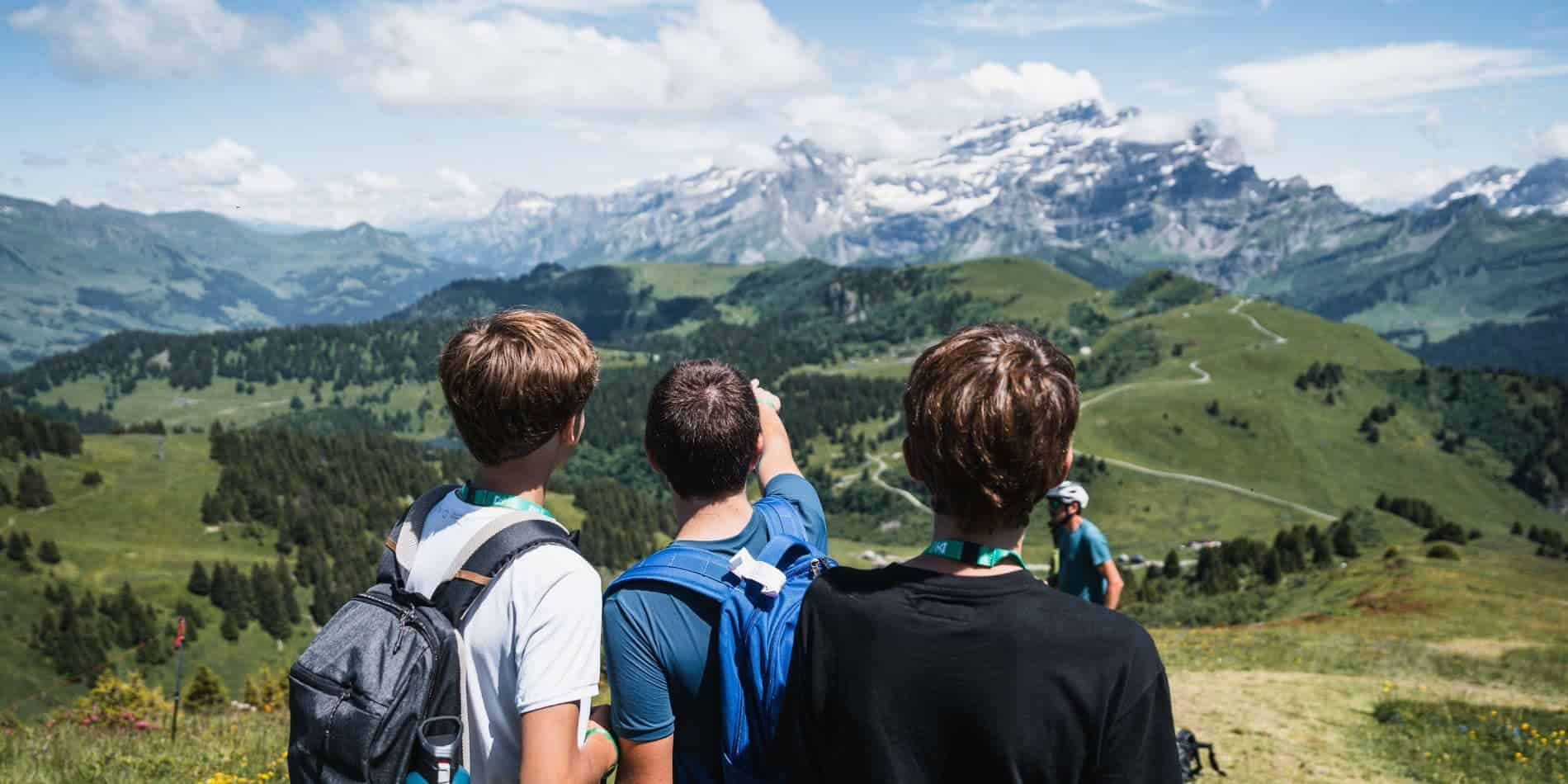
Трудно научить кого-то ценить то, чего он никогда на самом деле не испытывал. Походы с сопровождением и базовые уроки экологии и выживания на природе дают детям непосредственный контакт с природным миром и, как правило, формируют устойчивое чувство экологической ответственности — то, чего одна лишь классная работа даёт редко.
5. Настоящая самостоятельность
Время вдали от дома, с поддержкой, но без родителя, готового решить любую проблему, учит детей опираться на собственные силы — в том числе справляться с тоской по дому и стрессом. Это навык стойкости, который пригодится далеко за пределами лагеря — в том, как ребёнок справляется с обычными трудностями взросления.
Первое прощание при высадке в лагерь часто тяжелее даётся родителю, чем ребёнку. Большинство семей считают, что этот обмен — несколько недель самостоятельности взамен на уверенность в себе на всё лето — того стоит.